

Developing a strong Islamic identity in children is one of the most important responsibilities for parents and educators. A clear sense of identity rooted in faith helps children understand who they are, what values they uphold, and how to navigate the world with confidence, morality, and purpose. Instilling these values early ensures that children grow up with a solid foundation of Islamic beliefs and practices while developing a connection to their community and culture.
A strong Islamic identity encompasses knowledge of the Quran, understanding of the Prophet Muhammad’s teachings, moral values, and the ability to apply these principles in daily life. It also involves cultivating a sense of belonging to the wider Muslim community and fostering confidence in one’s beliefs in diverse social settings. Early childhood is a crucial period for shaping attitudes, habits, and values, making it an ideal time to nurture Islamic identity intentionally and thoughtfully.
This article explores strategies, principles, and practical approaches to help build a strong Islamic identity in children from an early age, emphasising family guidance, education, role modeling, and supportive learning environments.
Islamic identity refers to the internalisation of the principles, beliefs, and values of Islam. It is not merely about following rituals but involves understanding, accepting, and embodying the teachings of the faith. For children, a strong Islamic identity includes:
Developing this identity requires a balance of knowledge, emotional understanding, and practical application. Children need to experience Islam in ways that resonate with their age, interests, and personal experiences. This foundational understanding shapes their worldview, behavior, and character as they grow.
Family is the primary influence in a child’s development, and parental guidance is crucial for nurturing a strong Islamic identity. Children learn through observation, imitation, and reinforcement of behaviors, making the home environment a critical space for faith development.
Parents can foster Islamic identity by establishing routines that incorporate daily prayers, Quran recitation, and discussions about moral values. Engaging children in age-appropriate religious activities, such as storytelling from the lives of the Prophets, allows them to understand ethical principles and role models. Celebrating Islamic festivals and explaining their significance further strengthens children’s connection to their faith and culture.
Parental involvement also includes modelling ethical behavior and spiritual practices. Children internalize the values they observe in their parents, so consistency, sincerity, and dedication are essential in reinforcing Islamic teachings.
Early education plays a significant role in shaping identity and especially to help build a strong Islamic identity in children as early as possible. Integrating Islamic principles into daily learning experiences helps children associate education with faith and morality.
Islamic early childhood programs, home-based learning, and digital platforms offer structured lessons in Quranic recitation, Arabic language, and moral values. Interactive storytelling, songs, and age-appropriate games reinforce teachings while maintaining engagement. Children are encouraged to explore concepts such as honesty, kindness, patience, and generosity through activities that make abstract principles tangible.
Early exposure to Islamic education also fosters cognitive development, encouraging children to think critically about ethical questions and make connections between faith and real-life scenarios. This approach builds both knowledge and character simultaneously.
Children learn a great deal from observing adults and peers. Role modeling is therefore a powerful tool in building Islamic identity. Parents, teachers, and older siblings serve as examples of how to practice faith in everyday life.
Positive reinforcement complements role modeling by acknowledging and rewarding desirable behavior. Praising children for praying on time, helping others, demonstrating honesty, or applying moral lessons reinforces their understanding of Islamic values and encourages repetition. Over time, these behaviors become internalized, forming the foundation of a strong Islamic identity.
The Quran is central to Islamic identity. Helping children develop a connection with the Quran fosters spiritual growth, moral guidance, and a sense of purpose.
Parents and educators can cultivate this connection by creating a regular routine for Quran reading and recitation. Starting with short, age-appropriate verses and gradually increasing complexity helps children develop confidence and mastery. Explaining the meanings of verses in simple, relatable terms encourages comprehension and reflection rather than rote memorization.
Interactive digital platforms, audio recitations, and storytelling can make Quran learning more engaging, allowing children to associate the text with personal growth and moral understanding. Regular review and discussion of lessons reinforce knowledge and instill a lasting love for the Quran.
A strong Islamic identity is closely linked to moral and ethical development. Teaching children to differentiate between right and wrong, act with compassion, and uphold justice is essential for character formation.
Practical methods include using everyday situations to demonstrate ethical behavior, such as sharing with siblings, helping neighbors, or telling the truth in challenging situations. Stories from the lives of the Prophets provide concrete examples of moral conduct, illustrating principles in ways children can understand and emulate.
Incorporating ethical discussions into daily routines helps children internalize values and understand the rationale behind Islamic teachings. This approach ensures that moral development is consistent and meaningful.
Islamic identity is not formed in isolation. Connecting children with the broader Muslim community helps them understand their place within a larger social and spiritual framework.
Attending mosque-based classes, participating in community events, and engaging with peers in Islamic learning programs reinforce a sense of belonging. Social learning allows children to observe collective worship, ethical behavior, and collaborative practices, providing additional models for behavior and reinforcing lessons learned at home.
Community engagement also encourages empathy, cooperation, and respect for diversity within the faith, which strengthens the social and moral aspects of Islamic identity.
Digital platforms and educational technology have revolutionised how children learn about Islam. Interactive apps, online Quran lessons, and gamified learning environments make education engaging, accessible, and personalized.
Smart platforms offer features such as progress tracking, interactive quizzes, audio and visual aids, and adaptive learning paths. These tools allow children to practice at their own pace, revisit difficult concepts, and receive immediate feedback. Gamification and multimedia content increase motivation, making learning enjoyable and reinforcing knowledge retention.
Technology also enables parents and educators to monitor progress, identify areas for improvement, and provide targeted support, ensuring that children develop both knowledge and confidence in their faith.
A strong Islamic identity requires not just knowledge but also reflection and practical application. Children should be encouraged to think about the meaning of Quranic verses, Hadith, and moral lessons, and to apply these principles in everyday life.
Practical strategies include discussing ethical dilemmas, encouraging journaling or storytelling, and guiding children to make decisions based on Islamic values. By linking lessons to real-life situations, children develop a sense of ownership over their faith and understand the relevance of Islamic teachings in their personal and social lives.
While consistency is important to help build a strong Islamic identity in children early on, it should be balanced with flexibility to maintain engagement. Daily routines for prayers, Quran recitation, and reflection provide structure, while allowing room for exploration, creative learning, and personal expression.
Flexible learning schedules, especially when integrating digital platforms, accommodate individual learning styles and attention spans. This balance ensures children remain committed to their faith while enjoying the learning process, making religious education a positive and enduring experience.
Children with a strong Islamic identity are more likely to feel confident in their beliefs and values. Confidence develops when children understand their faith, can express their knowledge, and see the relevance of Islamic principles in daily life.
Encouragement, recognition of achievements, and opportunities to teach or share lessons with peers further reinforce confidence. By fostering self-assurance, parents and educators help children navigate social situations, engage in discussions about their faith, and make informed, ethical decisions.
Developing Islamic identity is an ongoing process that extends beyond early childhood. Establishing habits of learning, reflection, and ethical behavior early ensures that children remain connected to their faith as they grow.
Continual engagement with the Quran, Hadith, community activities, and ethical practices reinforces lessons learned and deepens spiritual understanding. Encouraging curiosity, discussion, and lifelong learning prepares children to maintain a strong Islamic identity throughout adolescence and adulthood.
In order to build a strong Islamic identity in children from an early age, you must put in intentional effort, offer consistent guidance, and create supportive learning environments for your child.
Families and educators alike play a central role in shaping identity through daily routines, role modelling, moral instruction, and engagement with the Quran and Hadith.
Technology and smart platforms offer additional opportunities, making learning interactive, personalised, and engaging. Gamification, multimedia content, interactive quizzes, and adaptive learning tools enhance motivation, retention, and understanding. Parental involvement, community engagement, and reflective practices reinforce lessons, helping children internalize Islamic values and principles.
By combining traditional methods with modern educational tools, children develop a deep understanding of their faith, moral clarity, confidence, and a sense of belonging. Early guidance ensures that Islamic teachings become an integral part of their identity, equipping them with the knowledge, values, and skills to thrive spiritually, socially, and academically in a diverse and interconnected world.
A strong Islamic identity empowers children to navigate challenges with integrity, embrace their cultural and spiritual heritage, and grow into responsible, ethical, and knowledgeable adults. By prioritizing intentional education, consistent guidance, and innovative learning approaches, parents and educators can help children develop a lifelong connection with their faith.
Published 27 March 2026 in Parenting. Questions? Get in touch.

Teaching children respect and manners is a fundamental aspect of Islamic education. Islam places great emphasis on…
Read more →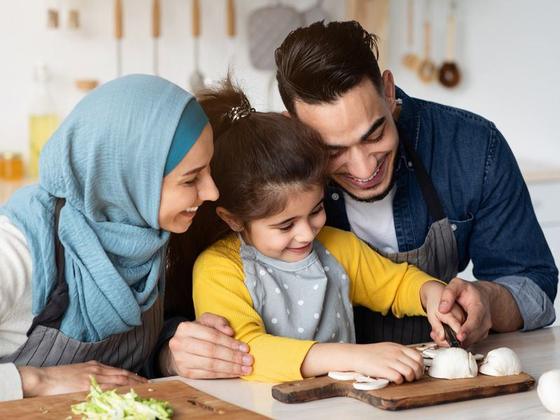
Raising children with strong moral values, ethical principles, and a deep connection to faith is one of the most…
Read more →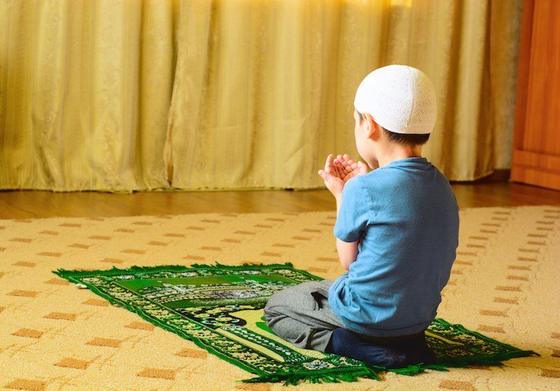
Dua, or supplication, is a central aspect of Islamic practice. It is a personal conversation with Allah that reflects…
Read more →Thirty minutes, your student numbers, an honest answer about whether we are a fit. Onboarding, training and data migration are included — there is nothing to sign to find out.