

Raising children with strong moral values, ethical principles, and a deep connection to faith is one of the most important responsibilities of parents. Islamic parenting emphasizes nurturing the spiritual, emotional, and intellectual growth of children while guiding them to embody Islamic teachings in their daily lives. Habits cultivated early in a child’s life can profoundly shape character, decision-making, and relationships with others.
Parenting in the Islamic context is guided by principles found in the Quran and Hadith, emphasising compassion, patience, education, and moral development. By integrating these principles into daily routines and interactions, parents can create an environment that fosters respect, empathy, and a strong spiritual foundation.
This article explores ten powerful Islamic parenting habits that have a lasting impact on a child’s character, providing practical guidance for parents seeking to nurture ethical, confident, and spiritually aware children.
One of the most fundamental habits in Islamic parenting is encouraging regular prayer and connection to Allah. Teaching children to pray from an early age helps them internalize the importance of worship and spiritual discipline.
Parents can lead by example, demonstrating sincerity in their prayers and explaining the significance of each act of worship. Encouraging children to pray with understanding, not just recitation, fosters a sense of mindfulness and devotion. Daily routines, such as performing prayers together, discussing their meanings, and creating a positive environment around worship, help children associate prayer with gratitude, reflection, and guidance.
Regular engagement in prayer builds a child’s spiritual identity and forms the foundation for moral and ethical behavior, instilling values such as patience, humility, and discipline.
Gratitude is a key principle in Islam, and parents play a critical role in cultivating it in children. Encouraging children to express thanks for small blessings, reflect on Allah’s favours, and recognize the contributions of others nurtures a positive outlook and empathy.
Practical ways to teach gratitude include discussing daily blessings at mealtimes, maintaining a gratitude journal, and modeling appreciative behavior. Parents can also praise children for acts of kindness or good deeds, reinforcing the connection between gratitude and moral conduct.
Children who practice gratitude develop humility, empathy, and respect for others, shaping their character in ways that extend to social interactions and ethical decision-making.
Children learn values most effectively through observation. Parents who demonstrate compassion, empathy, and concern for others teach by example. Responding to others’ needs, offering help, and expressing kindness in daily interactions serve as powerful lessons for children.
Parents can engage children in acts of service, such as helping neighbors, donating to charity, or caring for family members. Explaining the religious significance behind these actions connects behavior to faith and reinforces understanding.
By observing and practising compassion, children internalize values that encourage ethical behavior, cooperation, and social responsibility, shaping their character in meaningful ways.
Honesty and integrity are central to Islamic teachings. Parents should consistently encourage truthful behavior, transparency, and accountability from a young age. This includes praising honesty, addressing mistakes constructively, and creating an environment where children feel safe to admit errors.
Incorporating discussions about ethical dilemmas and the importance of integrity in daily life helps children understand the broader impact of their choices. When children see parents practicing honesty and fairness, they are more likely to internalize these principles.
Developing honesty and integrity ensures that children grow into trustworthy individuals capable of making ethical decisions, maintaining credibility, and fostering positive relationships.
Respect for parents and elders is a core principle in Islamic upbringing and one of the most powerful Islamic parenting habits to hone. Children learn to honour authority, value guidance, and appreciate the experience and wisdom of older generations.
Parents can model respect through polite communication, listening attentively, and demonstrating patience. Encouraging children to greet elders, seek advice, and assist in household or community tasks reinforces this habit. Discussions about the Quranic and prophetic teachings on honouring parents help children understand the spiritual and social significance of respect.
Developing respect for elders contributes to children’s emotional intelligence, social awareness, and ability to navigate relationships with consideration and humility.
Consistency is a powerful habit that shapes a child’s character. Establishing structured routines for daily prayers, Quranic study, meals, and sleep fosters discipline and a sense of stability.
Parents can integrate spiritual and moral lessons into routines, ensuring that children associate daily activities with ethical behavior and faith-based reflection. Consistent reinforcement of good behavior, study habits, and manners helps children internalize expectations and develop self-discipline.
A structured and consistent environment promotes responsibility, focus, and the ability to manage time effectively, laying the groundwork for lifelong positive habits.
Quranic education is central to Islamic parenting. Teaching children to read, understand, and reflect on the Quran nurtures knowledge, spirituality, and ethical reasoning.
Parents can make Quran learning engaging through interactive storytelling, memorization exercises, and discussions about meanings. Explaining how verses apply to daily life encourages reflection and critical thinking. Incorporating audio recitations, digital platforms, and age-appropriate explanations enhances comprehension and retention.
Children who regularly engage with the Quran develop a strong moral compass, spiritual awareness, and the ability to make ethical choices informed by faith.
Patience and perseverance are essential traits in Islamic character. Parents can teach these values through practical experiences, such as completing long-term projects, practicing memorization, or learning new skills.
Children should be encouraged to persist through challenges, celebrate small achievements, and view mistakes as opportunities for growth. Stories of the Prophets and companions, who exemplified resilience, provide powerful examples of patience and perseverance.
By internalizing these traits, children develop emotional resilience, self-confidence, and the ability to navigate challenges ethically and effectively.
Generosity and giving are fundamental Islamic values. Encouraging children to share, donate, and engage in community service fosters empathy, social responsibility, and gratitude.
Parents can involve children in charity activities, explain the spiritual significance of giving, and model generous behavior in daily interactions. Small acts, such as helping friends or contributing to family needs, reinforce the habit of generosity.
Developing a giving mindset cultivates compassion, ethical awareness, and a sense of purpose, shaping children into individuals who contribute positively to their communities.
In the digital age, children are exposed to technology from an early age. Islamic parenting involves teaching children to balance screen time, online engagement, and spiritual practice. Parents can establish boundaries for digital use, integrate educational apps that reinforce Quranic and moral teachings, and encourage reflection and prayer alongside online activities.
By fostering balance, children learn to navigate the modern world responsibly, applying ethical principles and spiritual awareness to their digital interactions. This habit strengthens both character and practical life skills.
Effective Islamic parenting includes creating an environment where children feel comfortable discussing questions, challenges, and experiences. Encouraging open communication allows children to express thoughts, seek guidance, and reflect on ethical and spiritual matters.
Parents can initiate discussions about moral dilemmas, daily behavior, and lessons from Quranic stories. Reflective conversations help children internalize values, develop critical thinking, and cultivate self-awareness.
By fostering open communication, parents strengthen their children’s confidence, moral reasoning, and ability to make faith-informed decisions in complex situations.
Islamic parenting is a holistic process that shapes children’s character, moral reasoning, and spiritual development. By integrating practices such as consistent prayer, gratitude, honesty, compassion, respect for elders, Quranic study, patience, generosity, balanced digital habits, and open communication, parents can create a nurturing environment that fosters ethical, confident, and spiritually grounded individuals.
Habits established from an early age have a lasting impact, providing children with the tools to navigate life ethically, make responsible decisions, and maintain a strong connection to their faith. Parents and educators play a critical role in modeling these behaviors, reinforcing lessons, and providing support and guidance through daily practice.
By adopting these powerful Islamic parenting habits, children develop a strong moral foundation, a clear sense of identity, and the skills necessary to thrive spiritually, socially, and academically. Islamic parenting ensures that children grow into individuals who embody faith, integrity, and compassion while positively contributing to their families, communities, and society.
Published 27 March 2026 in Parenting. Questions? Get in touch.

Teaching children respect and manners is a fundamental aspect of Islamic education. Islam places great emphasis on…
Read more →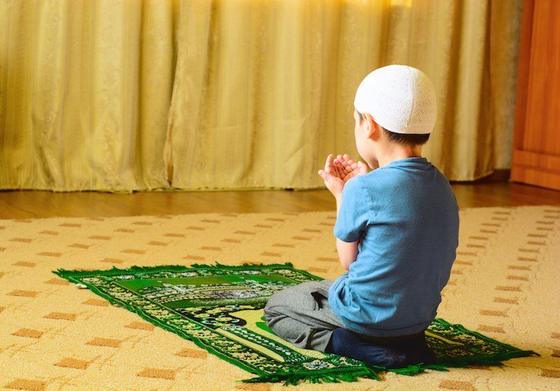
Dua, or supplication, is a central aspect of Islamic practice. It is a personal conversation with Allah that reflects…
Read more →
Developing a strong Islamic identity in children is one of the most important responsibilities for parents and…
Read more →Thirty minutes, your student numbers, an honest answer about whether we are a fit. Onboarding, training and data migration are included — there is nothing to sign to find out.