

Teaching children respect and manners is a fundamental aspect of Islamic education. Islam places great emphasis on character development, ethical conduct, and proper behavior towards others. From the teachings of the Quran to the example of Prophet Muhammad, children are encouraged to cultivate values such as kindness, honesty, patience, and humility. Instilling respect and proper manners at an early age lays the foundation for a child’s personal, social, and spiritual growth.
Raising children with strong ethical principles requires intentional guidance, modeling, and reinforcement. An Islamic approach integrates faith, education, and daily practices to ensure that respect and manners are internalized and practiced consistently.
This article explores strategies and principles for teaching children respect and manners in a way that aligns with Islamic teachings, emphasising practical methods that parents and educators can implement at home, in school, and in the community.
Respect and manners in Islam encompass more than just polite behavior; they reflect a child’s moral and spiritual development. Respect involves acknowledging the rights and feelings of others, while manners include the practical expressions of ethical conduct, such as speaking politely, listening attentively, and treating others with kindness.
The Quran repeatedly emphasises the importance of respect, both for Allah and for people. Its verses instruct and urge believers to speak with kindness, honour parents, and maintain ethical interactions in society. Similarly, the Hadith provides numerous examples of the Prophet’s behavior, demonstrating humility, patience, empathy, and courteous treatment of others. Teaching children these values helps them understand the connection between faith and behavior.
By framing respect and manners as expressions of faith, children are more likely to internalize these behaviors as part of their identity rather than as mere rules to follow.
Children learn primarily through observation. Parents, teachers, and caregivers who consistently demonstrate respect, politeness, and empathy provide powerful examples for children to emulate.
Modeling respectful behavior involves demonstrating patience in communication, listening attentively, speaking kindly, and acknowledging the contributions and feelings of others. Parents can also show respect for diversity, elders, and community members, highlighting the Quranic principles of fairness and consideration.
By observing these behaviors, children learn to incorporate respect and manners into their interactions naturally, understanding that these actions are valued in both social and spiritual contexts.
One of the core teachings of Islam is the respect and honour owed to parents and elders. Teaching children to show respect in the home, during interactions with relatives, and in the wider community reinforces ethical and spiritual values.
Practical methods include encouraging polite language, attentive listening, and helpful behavior toward parents and elders. Parents can explain the significance of these actions in the context of the Quran and Hadith, showing children that respect is not only socially appropriate but also a form of worship.
Consistent reinforcement of respectful behavior toward elders fosters obedience, empathy, and a sense of responsibility, creating a strong foundation for character development.
Respect is equally important in relationships with peers and siblings. Children must learn to share, cooperate, and consider the feelings of others in social and family settings.
Parents and educators can encourage respectful interactions by mediating conflicts, guiding children in expressing their needs politely, and emphasizing empathy. Role-playing scenarios, storytelling, and reflective discussions help children understand the impact of their behavior and develop problem-solving skills that align with Islamic values.
By practicing respect within peer and sibling relationships, children cultivate teamwork, communication, and emotional intelligence, which are essential for their social development.
Islamic teachings emphasise the importance of speaking kindly and avoiding harsh words. Children should be guided to use polite language, express themselves respectfully, and listen attentively in conversations.
Parents can model polite speech during interactions at home and in public. Educators can reinforce these behaviors through classroom activities, discussions, and positive feedback. Teaching phrases such as greetings, expressions of gratitude, and apologies helps children internalize respectful communication practices.
Kind speech fosters positive relationships, reduces conflicts, and reinforces ethical principles in line with Islamic teachings.
Stories from the Quran and Hadith provide practical lessons in respect and manners. Children can learn about the Prophet’s interactions with family, companions, and community members, highlighting examples of kindness, humility, patience, and fairness.
Parents and educators can use storytelling to illustrate the consequences of disrespectful behavior and the rewards of good manners. Discussing these stories in age-appropriate language helps children understand the relevance of moral lessons in their daily lives and encourages reflection on their behavior.
Integrating scriptural examples connects ethical practices with faith, reinforcing that respect and manners are an essential part of a Muslim’s character.
Empathy is a key component of teaching children respect and manners. Children must learn to recognize the feelings of others, respond with care, and avoid actions that cause harm.
Parents can encourage empathy by discussing how others feel in specific situations, guiding children to consider multiple perspectives, and praising compassionate behavior. Community service, helping peers, and caring for family members are practical ways for children to experience empathy in action.
By cultivating empathy, children develop a deeper understanding of their responsibilities to others and learn to treat people with fairness and consideration, reflecting Islamic values of compassion and justice.
Consistency in expectations and guidance helps children internalize respectful behavior. Parents should establish clear rules for polite behavior, listening, and interactions with others, explaining the reasons behind these rules.
Positive reinforcement for demonstrating respect and gentle correction for lapses ensures that children understand the significance of their actions. Over time, these practices become habits that shape character and foster self-discipline.
Consistent boundaries provide children with structure, helping them navigate social situations confidently while maintaining ethical and moral standards.
Reflection and accountability are crucial for not only reaching children respect and manners, but also help them understand the impact of their behavior on both themselves and others. Parents and educators can encourage children to consider their actions, discuss consequences, and think about how to improve.
Age-appropriate discussions, journaling, and guided questioning help children recognize when they have acted respectfully or disrespectfully. Linking behavior to Islamic principles reinforces understanding and motivates children to act with integrity.
Reflection encourages self-awareness, responsibility, and continuous moral growth, strengthening character over time.
Recognising and celebrating respectful behavior reinforces ethical habits. Praise, rewards, and acknowledgment help children understand that their efforts are valued and meaningful.
Parents and educators can highlight specific actions, such as sharing, polite speech, or helping others, and explain how these behaviors reflect Islamic teachings. Positive reinforcement motivates children to continue practicing good manners and respect consistently.
By linking positive behavior to recognition, children internalize respect and manners as intrinsic values rather than mere obligations.
The environment in which children grow plays a significant role in shaping their character. A supportive atmosphere that emphasizes ethical conduct, kindness, and faith-based values encourages children to practice respect and manners consistently.
Homes, classrooms, and community spaces should model ethical interactions, provide opportunities for practice, and offer guidance for conflict resolution. Exposure to consistent examples of respect, patience, and cooperation reinforces learning and fosters a culture of positive behavior.
A supportive environment ensures that children internalize values, understand expectations, and develop confidence in practicing ethical behavior.
Discipline is necessary to correct inappropriate behavior, but it should be applied with compassion and understanding. Parents should explain the reasons behind corrective actions, encourage reflection, and guide children toward better behavior.
Islamic teachings emphasise gentle correction, patience, and guidance rather than harsh punishment. Children who experience compassionate discipline learn to understand the consequences of their actions, make ethical decisions, and respect authority while maintaining self-esteem.
Balancing discipline with empathy nurtures responsible, respectful, and morally grounded individuals.
Teaching children respect and manners through an Islamic approach involves intentional guidance, consistent modeling, moral instruction, and reflective practice. Parents and educators play a critical role in shaping character by fostering spiritual, emotional, and social development through daily routines, storytelling, role modeling, and interactive learning.
Habits such as practicing polite communication, honouring parents and elders, demonstrating empathy, reflecting on actions, and engaging with the Quran and Hadith help children internalize ethical behavior. Positive reinforcement, supportive environments, and compassionate discipline ensure that respect and manners become ingrained values rather than temporary behaviors.
By adopting these strategies, children develop strong moral foundations, self-confidence, and a sense of responsibility. They learn to navigate social interactions, uphold Islamic principles, and build lasting character traits. An Islamic approach to teaching respect and manners ensures that children grow into ethical, compassionate, and spiritually aware individuals, prepared to contribute positively to their families, communities, and society.
Published 27 March 2026 in Parenting. Questions? Get in touch.
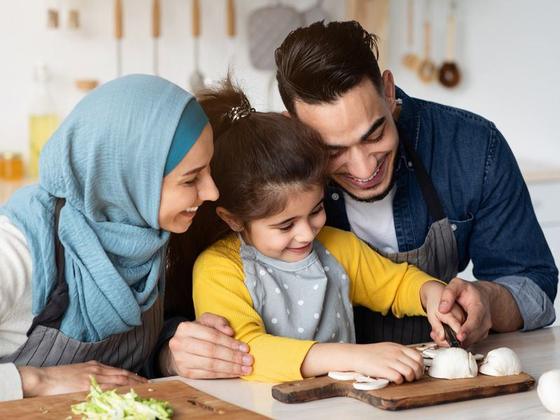
Raising children with strong moral values, ethical principles, and a deep connection to faith is one of the most…
Read more →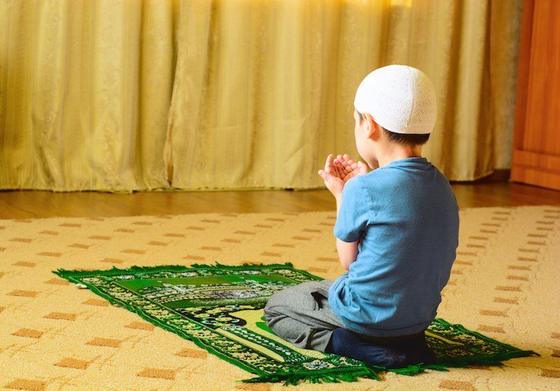
Dua, or supplication, is a central aspect of Islamic practice. It is a personal conversation with Allah that reflects…
Read more →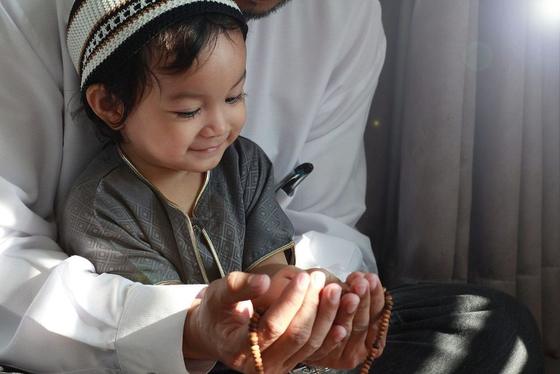
Developing a strong Islamic identity in children is one of the most important responsibilities for parents and…
Read more →Thirty minutes, your student numbers, an honest answer about whether we are a fit. Onboarding, training and data migration are included — there is nothing to sign to find out.