

Eid is a time of joy, gratitude, and community for Muslims around the world. Whether it’s Eid al-Fitr, which marks the end of Ramadan, or Eid al-Adha, commemorating the sacrifice of Prophet Ibrahim (AS), both celebrations hold deep spiritual significance and provide opportunities to reflect on faith, family, and generosity. For children, Eid is often associated with new clothes, gifts, and delicious food—but there’s so much more to it than that.
Teaching kids the Islamic significance of Eid, while also making the celebration fun and memorable, helps them build a lifelong connection to their faith. By blending traditional practices with engaging activities, parents can create meaningful Eid experiences that resonate with children and help them understand the deeper values of gratitude, charity, and community.
At Sidr Productions, we’re passionate about making Islamic learning both fun and accessible for kids through interactive tools like My Quran Journey, Kids Read, and Deen Quest. These platforms can help families explore the history, values, and celebrations of Eid in ways that are both educational and enjoyable.
In this blog, we’ll explore the significance of Eid in Islam and share practical tips on how to celebrate it Islamically with your children.
Before diving into how to celebrate, it’s essential to help children understand why we celebrate Eid and the lessons it teaches us. Both Eid al-Fitr and Eid al-Adha carry distinct meanings, but they share common values of gratitude, sacrifice, and community spirit.
Eid al-Fitr is celebrated at the end of Ramadan, the holy month of fasting, prayer, and reflection. It marks the completion of a month-long spiritual journey where Muslims have practiced self-discipline, charity, and increased worship.
Key Lessons to Teach Kids:
Eid al-Adha, also known as the Festival of Sacrifice, commemorates the willingness of Prophet Ibrahim (AS) to sacrifice his son Ismail (AS) in obedience to Allah’s command. It is celebrated after the Hajj pilgrimage and symbolizes faith, obedience, and selflessness.
Key Lessons to Teach Kids:
Eid is a time of celebration, and for kids, the excitement comes from family traditions, fun activities, and the anticipation of gifts. By blending Islamic values with festive fun, you can create Eid memories that will last a lifetime.
The excitement of Eid starts before the big day. Involving your kids in Eid preparations helps build anticipation and makes them feel connected to the celebration.
How to Apply:
One of the most important parts of Eid is the congregational prayer that brings the entire Muslim community together. Taking your children to Eid Salah helps them feel the spirit of unity and togetherness.
How to Apply:
Eid is not just about receiving gifts—it’s also about giving to others, especially those in need. Teaching children the value of charity during Eid helps them understand the deeper meaning of the celebration.
How to Apply:
Using technology can make learning about Eid fun and interactive for kids. Educational apps, games, and videos help children understand the history and values of Eid while keeping them engaged.
Recommended Tools:
Building Eid traditions that your children look forward to every year can make the holiday more meaningful and memorable. These traditions don’t have to be elaborate; small, consistent gestures can create a sense of anticipation and joy.
While gifts are a common part of Eid, you can add an Islamic twist to make gift-giving more meaningful.
How to Apply:
Eid is a time for community and family bonding. Hosting a family gathering or Eid party helps children experience the joy and togetherness of the celebration.
How to Apply:
Documenting Eid celebrations helps children feel that the day is special and worth remembering. Creating photo albums or memory books makes Eid something to look back on fondly.
How to Apply:
Eid is celebrated by Muslims worldwide, each bringing unique cultural traditions to the festivities. Teaching your children about the diversity of Eid celebrations fosters a sense of global Muslim identity and community.
Expose your children to the diverse ways Eid is celebrated across the globe, from Indonesia and Turkey to Nigeria and Morocco.
How to Apply:
Eid is not just a local celebration—it’s a time of global giving. Teaching kids about charitable efforts worldwide helps them understand the broader significance of Eid.
How to Apply:
Eid is more than just a celebration—it’s an opportunity to teach children about faith, gratitude, charity, and community. By combining fun activities with Islamic teachings, parents can create meaningful Eid experiences that resonate with children and help them build a lifelong connection to their faith.
At Sidr Productions, we’re dedicated to making Islamic learning engaging through platforms like My Quran Journey, Deen Quest, and Kids Read, which help families explore the spiritual and cultural significance of Eid in interactive ways. By incorporating these tools into your celebrations, you can create lasting memories while nurturing your child’s Islamic identity.
Whether it’s through prayers, acts of kindness, or family traditions, the essence of Eid lies in its ability to bring hearts closer to Allah (SWT) and to one another. By making Eid meaningful for your children, you’re not just celebrating a holiday—you’re instilling values that will guide them throughout their lives.
Published 12 October 2024 in Stories & occasions. Questions? Get in touch.
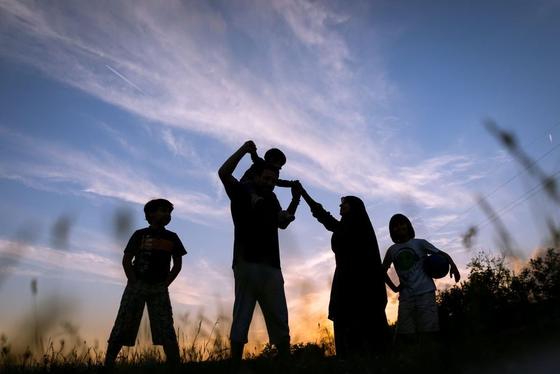
The life of Prophet Muhammad (SAW) serves as a timeless guide for all aspects of human behavior, including parenting…
Read more →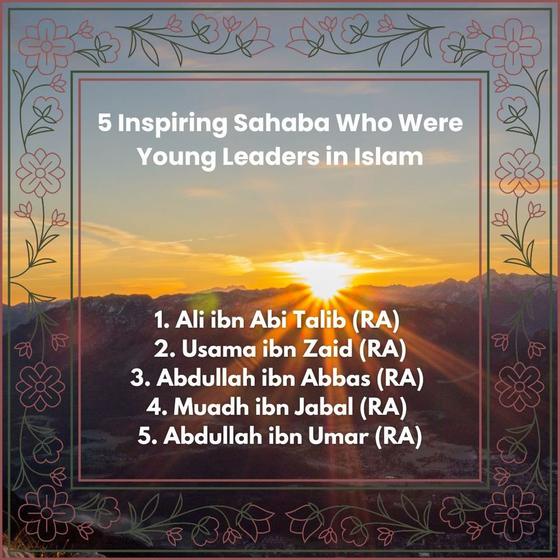
Islamic history is filled with remarkable figures who played pivotal roles in spreading the message of Islam and…
Read more →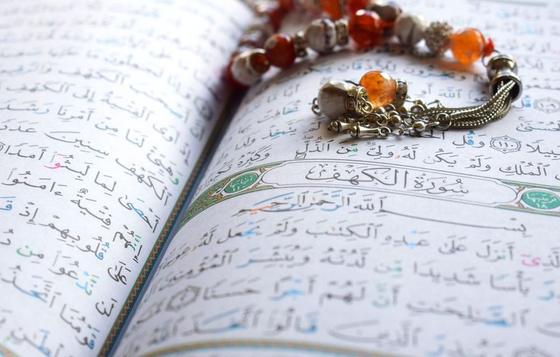
Surah Al-Kahf is one of the most beloved chapters of the Quran, rich with lessons about faith, patience, and the trials…
Read more →Thirty minutes, your student numbers, an honest answer about whether we are a fit. Onboarding, training and data migration are included — there is nothing to sign to find out.