

Islamic history is filled with remarkable figures who played pivotal roles in spreading the message of Islam and establishing its principles. Among these, the Sahaba (companions of the Prophet Muhammad SAW) hold a special place for their unwavering faith, courage, and dedication. What’s even more inspiring is that many of these companions were young leaders who embraced Islam and took on significant responsibilities at a young age.
Their stories serve as powerful reminders that youth is not a barrier to leadership. These young Sahaba were entrusted with critical tasks, from leading armies to managing administrative roles, demonstrating maturity, wisdom, and devotion far beyond their years. Their lives offer timeless lessons for today’s youth, showing that leadership, courage, and faith can flourish at any age.
At Sidr Productions, we believe that the stories of these young leaders can inspire the next generation of Muslims. Through our digital content creation, educational tools, and interactive platforms like My Quran Journey, Kids Read, and Deen Quest, we aim to bring these stories to life, teaching children about the values of leadership, courage, and faith through engaging and relatable narratives.
In this article, we will explore the lives of five young Sahaba who became outstanding leaders in Islam, leaving a lasting impact on the Muslim Ummah.
Fourth Caliph, cousin and son-in-law of the Prophet Muhammad (SAW), and a renowned scholar and warrior.
Ali ibn Abi Talib (RA) was among the first people to embrace Islam, accepting the faith at the tender age of 10. Raised in the household of the Prophet Muhammad (SAW), Ali was deeply influenced by the Prophet’s teachings and character. His early acceptance of Islam reflects his intellectual maturity and spiritual inclination, even at a young age.
Ali ibn Abi Talib’s (RA) life teaches us the importance of bravery, loyalty, and seeking knowledge. Despite his youth, he demonstrated the courage to stand firm in his beliefs and the wisdom to guide the Muslim community with justice.
Appointed by the Prophet Muhammad (SAW) as the commander of an army at just 17, despite being younger than many of the seasoned warriors under his command.
Usama ibn Zaid (RA) was the son of Zaid ibn Harithah (RA), the Prophet’s adopted son, and was often referred to as “the beloved son of the beloved” due to his close relationship with the Prophet Muhammad (SAW). Growing up in such proximity to the Prophet allowed Usama to develop strong leadership qualities and a deep understanding of Islamic principles from an early age.
Usama ibn Zaid (RA) exemplifies that age should never be a barrier to leadership. His story encourages young people to embrace responsibilities with confidence, knowing that faith, competence, and character are the true markers of leadership.
Renowned scholar of the Quran and Hadith, known as “Hibr al-Ummah” (The Scholar of the Ummah) and “Tarjuman al-Quran” (The Interpreter of the Quran).
Abdullah ibn Abbas (RA) was the cousin of the Prophet Muhammad (SAW) and grew up in his company. From a young age, Abdullah demonstrated an insatiable curiosity and passion for learning. The Prophet (SAW) made dua for him, saying, “O Allah, grant him understanding of the religion and teach him the interpretation of the Quran.”
Abdullah ibn Abbas (RA) shows that knowledge is a form of leadership. His dedication to learning and teaching emphasizes the importance of seeking knowledge, understanding the Quran, and sharing wisdom with others.
Renowned for his knowledge of Islamic jurisprudence, appointed as a governor and judge in Yemen by the Prophet Muhammad (SAW).
Muadh ibn Jabal (RA) embraced Islam as a teenager and quickly became known for his intelligence and commitment to learning. His natural leadership abilities and deep understanding of Islamic law earned him the Prophet’s trust and admiration.
Muadh ibn Jabal’s (RA) life teaches that leadership is about serving others with knowledge and justice. His story inspires young Muslims to pursue education, uphold justice, and take on leadership roles with integrity and fairness.
Renowned for his strict adherence to the Sunnah and his contributions to the preservation of Hadith.
Abdullah ibn Umar (RA), the son of Umar ibn al-Khattab (RA), was known for his devotion to the Prophet Muhammad (SAW) and his meticulous observance of the Prophet’s teachings. He accepted Islam at a young age and showed remarkable maturity in his dedication to learning and living according to Islamic principles.
Abdullah ibn Umar (RA) teaches us the importance of discipline, devotion, and living by example. His unwavering commitment to following the Prophet’s teachings highlights the significance of practicing what we preach and leading by example.
The stories of these young Sahaba are more than historical accounts—they are timeless lessons for young Muslims today. Their lives demonstrate that leadership is not defined by age but by faith, courage, knowledge, and character. In a world where young people are often underestimated, the stories of Ali ibn Abi Talib, Usama ibn Zaid, Abdullah ibn Abbas, Muadh ibn Jabal, and Abdullah ibn Umar remind us that youth have the power to make a profound impact.
At Sidr Productions, we believe in harnessing the power of these stories to inspire the next generation of Muslim leaders. Through our digital content creation, videos and animations, educational tools development, and gaming platforms, we bring these stories to life in engaging and interactive ways. Our projects like My Quran Journey, Kids Read, and Deen Quest are designed to connect young Muslims with their rich history, helping them see themselves as part of a legacy of leadership and faith.
The lives of these five young Sahaba are powerful examples of how faith, knowledge, and courage can lead to extraordinary leadership. Their stories remind us that age is not a limitation—with the right guidance, support, and intention, young people can achieve great things in the service of Islam and humanity.
By learning about these young leaders, today’s youth can find inspiration, guidance, and motivation to embrace their own potential as leaders in their communities. Whether through traditional storytelling or modern digital platforms, sharing these stories is essential in nurturing a generation of confident, compassionate, and capable Muslim leaders.
Encourage your children to explore the lives of these remarkable young Sahaba, and watch as they grow into leaders who embody the spirit of Islam, just like the young companions of the Prophet Muhammad (SAW).
Published 11 November 2024 in Stories & occasions. Questions? Get in touch.
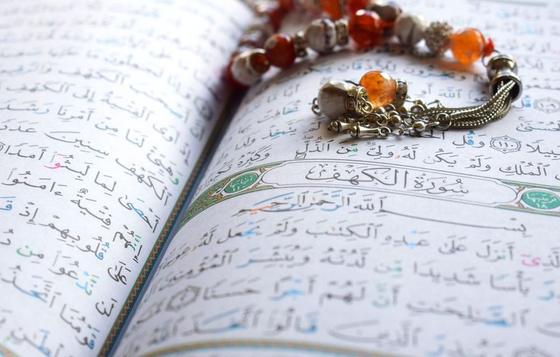
Surah Al-Kahf is one of the most beloved chapters of the Quran, rich with lessons about faith, patience, and the trials…
Read more →
The life of Prophet Muhammad (SAW) serves as a timeless guide for all aspects of human behavior, including parenting…
Read more →
Eid is a time of joy, gratitude, and community for Muslims around the world. Whether it’s Eid al-Fitr, which marks the…
Read more →Thirty minutes, your student numbers, an honest answer about whether we are a fit. Onboarding, training and data migration are included — there is nothing to sign to find out.