

Gratitude, or Shukr in Arabic, is one of the most emphasized virtues in Islam. It is not just about saying “Alhamdulillah” when something good happens; it’s a mindset and way of life that permeates every action, thought, and feeling. The concept of gratitude in Islam extends beyond personal contentment—it serves as a key to spiritual growth, happiness, and a deeper connection with Allah (SWT).
Teaching children the value of gratitude from an early age is essential in helping them grow into mindful, compassionate, and resilient individuals. A grateful child learns to appreciate what they have, recognize the blessings around them, and develop a positive attitude toward life. At Sidr Productions, we strive to make these important lessons accessible and engaging for children through interactive platforms like My Quran Journey, Kids Read, and Deen Quest. These tools are designed to integrate Islamic values, such as gratitude, into everyday life in a fun and meaningful way.
In this blog, we will explore the importance of gratitude in Islam, its spiritual benefits, and practical ways to teach it to kids so they can develop a lifelong habit of appreciating Allah’s blessings.
Gratitude holds a central place in Islam, and it is considered one of the key characteristics of a true believer. The Quran and the Hadith are filled with reminders about the importance of thanking Allah for His countless blessings.
In Islam, gratitude is not just a moral virtue—it is an act of worship. Recognizing and appreciating Allah’s blessings is part of fulfilling our purpose as His servants.
Quranic Reference:
“And (remember) when your Lord proclaimed: ‘If you are grateful, I will surely increase your favor; but if you deny, indeed, My punishment is severe.’”
(Surah Ibrahim 14:7)
This verse beautifully illustrates that gratitude is directly linked to the increase of blessings. When we are thankful, Allah promises to give us more.
Prophet Muhammad (SAW) was the epitome of gratitude. Despite facing immense hardships throughout his life, he remained consistently thankful to Allah. He would often pray for long hours, even when his feet swelled from standing, and when asked why he did so, he replied:
“Should I not be a grateful servant?”
(Sahih al-Bukhari)
This shows that even when life is challenging, gratitude remains a pillar of faith and a way to strengthen one’s relationship with Allah.
Teaching children to be grateful is more than just encouraging them to say “thank you.” It’s about helping them develop a positive mindset and an appreciative heart, which are essential for their emotional, social, and spiritual development.
Grateful children tend to be happier and more optimistic. They learn to focus on what they have rather than what they lack, fostering a sense of contentment.
Teaching children to express gratitude helps them build stronger relationships with family, friends, and their community. When children learn to appreciate the efforts of others, they become more empathetic and compassionate.
By recognizing Allah’s blessings, children develop a stronger connection with their faith. Gratitude reminds them of Allah’s mercy and fosters a sense of trust in His plans.
Prophetic Guidance:
The Prophet (SAW) said, “He who does not thank people does not thank Allah.”
(Sunan Abi Dawood)
This highlights the importance of expressing gratitude not only to Allah but also to those around us.
Instilling gratitude in children requires more than just instruction—it involves consistent practice, positive reinforcement, and leading by example. Here are practical ways to help your children develop a habit of gratitude in their daily lives.
Children learn by observing their parents. If they see you expressing gratitude regularly, they will naturally adopt the habit.
How to Apply:
Making gratitude a regular part of your child’s daily routine helps reinforce the habit.
How to Apply:
Islam provides numerous opportunities to express gratitude through duas, prayers, and acts of worship.
How to Apply:
Gratitude isn’t just about words—it’s also about actions. Encouraging your child to help others instills a sense of appreciation for their own blessings.
How to Apply:
Children love stories, and Islam is rich with narratives that highlight the power of gratitude. Sharing these stories helps children understand the concept of gratitude in a relatable and engaging way.
How to Apply:
Teaching gratitude isn’t always easy, especially in a world where children are constantly exposed to messages of materialism and instant gratification. However, with patience and consistent effort, parents can overcome these challenges.
Children today are often surrounded by advertisements and peer pressure that make them want the latest toys, gadgets, or clothes. This can lead to a sense of entitlement rather than gratitude.
Solution:
Sometimes, children may not realize how blessed they are, especially when they’ve never experienced hardship.
Solution:
It’s easy to be grateful when things are going well, but teaching children to be grateful during challenging times is equally important.
Solution:
Quranic Reference:
“Indeed, with hardship comes ease.”
(Surah Ash-Sharh 94:6)
At Sidr Productions, we understand the power of technology in making learning accessible and engaging for children. Our digital platforms are designed to help parents and educators nurture gratitude and other Islamic values in fun, interactive ways.
The My Quran Journey App helps children explore the Quranic stories and verses that emphasize gratitude. Through interactive activities, quizzes, and recitations, children learn to recognize and appreciate Allah’s blessings.
Features:
Kids Read offers a library of Islamic stories that focus on gratitude and other key values. These stories are designed to be relatable and engaging, helping children internalize important lessons.
Features:
In Deen Quest, children embark on quests that teach them about Islamic values like gratitude through adventures and problem-solving.
Features:
Gratitude is a powerful force in Islam that not only deepens our connection with Allah (SWT) but also enhances our personal well-being and relationships with others. Teaching children to be grateful from an early age sets them on a path of positivity, contentment, and spiritual growth.
By incorporating Islamic teachings, daily practices, and modern tools like My Quran Journey, Kids Read, and Deen Quest, parents and educators can make gratitude a natural part of children’s lives. These platforms provide fun, interactive, and engaging ways for children to learn about gratitude, ensuring that this important value becomes a cornerstone of their Islamic lifestyle and personal development.
Encourage your children to embrace gratitude in their hearts and lives, and watch as they grow into compassionate, resilient, and faithful Muslims who recognize and cherish the countless blessings Allah has bestowed upon them.
Published 10 August 2024 in Parenting. Questions? Get in touch.
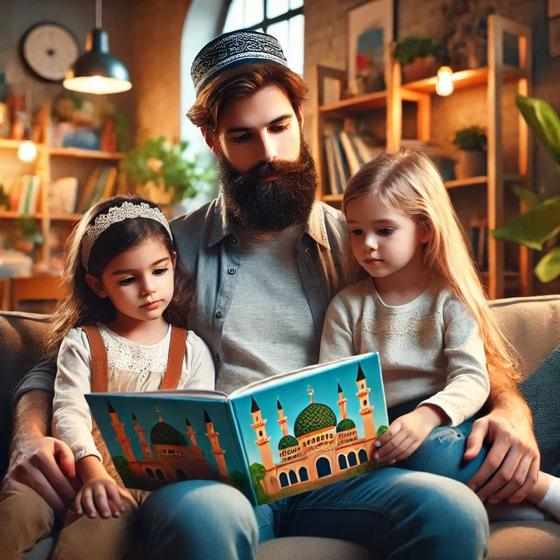
Storytelling is an age-old tradition that transcends cultures and generations. It has been a cornerstone of education…
Read more →
In today’s fast-paced and often stressful world, emotional well-being has become a key focus for people seeking…
Read more →
Parenting in today’s rapidly evolving world is both a challenge and an opportunity. For Muslim parents, the…
Read more →Thirty minutes, your student numbers, an honest answer about whether we are a fit. Onboarding, training and data migration are included — there is nothing to sign to find out.