

Parenting in today’s rapidly evolving world is both a challenge and an opportunity. For Muslim parents, the responsibility extends beyond providing for their children’s material needs; it involves nurturing their spiritual, emotional, and moral development in line with Islamic values. One of the most important aspects of Islamic upbringing is cultivating kindness and compassion—traits that are deeply rooted in the teachings of the Quran and the life of the Prophet Muhammad (SAW).
In an era marked by digital distractions, social pressures, and cultural shifts, raising children who embody these values requires intentional effort, patience, and a strong connection to Islamic principles. This blog explores practical strategies and Islamic guidance on how to raise kind and compassionate Muslim kids in today’s world, fostering both their faith and character.
Kindness and compassion are at the heart of Islam. Allah’s attributes include Ar-Rahman (The Most Merciful) and Ar-Raheem (The Most Compassionate), emphasizing the significance of these traits in a believer’s life. The Quran and the Sunnah are replete with teachings that encourage Muslims to show mercy and kindness to all of creation—humans, animals, and the environment.
Quranic Guidance:
Prophetic Example: The Prophet Muhammad (SAW) was described as a “Mercy to the worlds” (Rahmatan lil ‘Aalameen). His life is filled with examples of kindness towards family, friends, strangers, and even enemies. Teaching children about his character can inspire them to emulate his compassion.
Children are keen observers and often learn more from what they see than what they are told. As parents, modeling kindness and compassion in daily interactions is the most effective way to instill these values.
Speak to your children with gentleness and respect, even when correcting their mistakes. Show them how to express their feelings calmly and listen actively when they speak. Demonstrate empathy by acknowledging their emotions and validating their experiences.
Example:
When your child is upset about a small issue, instead of dismissing their feelings, say, “I understand you’re feeling sad right now. Let’s talk about how we can make it better.”
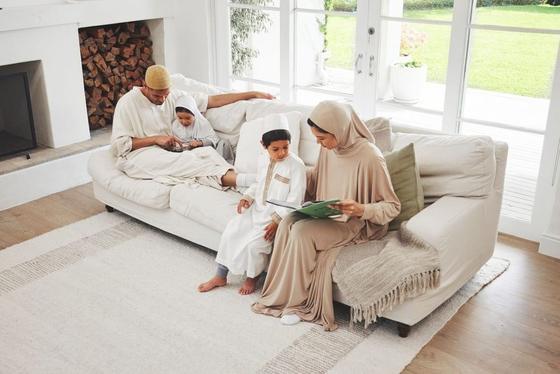
The family is the first social unit where children learn about relationships. Show kindness to your spouse, parents, and siblings, and encourage your children to do the same. Teach them to help with household chores, share with siblings, and care for younger family members.
Prophet’s Example:
The Prophet Muhammad (SAW) would assist his family with household chores and play with his grandchildren, showing that compassion begins at home.
Embedding Islamic values into daily routines helps children understand that kindness and compassion are not just ideals but practical behaviors that should guide their actions.
Introduce children to duas (supplications) that reflect kindness, such as praying for others’ well-being. Share stories from the Quran and Hadith that highlight acts of compassion, like the story of the Prophet’s kindness to animals or his forgiveness of those who wronged him.
Example:
Teach your child the dua, “O Allah, guide me to the best of manners, for none can guide to them except You.” This helps them internalize the importance of good character.
When teaching values, reference Quranic verses to show that these principles are rooted in divine guidance. For instance, when discussing honesty, share the verse, “And do not mix the truth with falsehood or conceal the truth while you know [it].” (Surah Al-Baqarah 2:42)
Teaching children to be kind and compassionate extends beyond the home. Encourage them to engage with their community, help those in need, and contribute to the well-being of society.
Involve your children in volunteer activities like visiting the sick, helping at food banks, or participating in charity drives. Explain the concept of Sadaqah (voluntary charity) and how even small acts of kindness are rewarded in Islam.
Example:
Give your child a small allowance for charity and let them decide where to donate it, fostering a sense of responsibility and empathy for others.
Islam teaches respect and compassion for all people, regardless of their background. Encourage your children to build friendships with people from different cultures and faiths, promoting mutual understanding and kindness.
Prophet’s Example:
The Prophet Muhammad (SAW) was known for his fair treatment of non-Muslims and his efforts to build peaceful relationships with diverse communities.
In today’s digital age, children are exposed to online platforms where interactions can often be impersonal or even harsh. Teaching children to maintain kindness and compassion in their digital interactions is crucial.
Educate your children about Islamic digital etiquette—how to engage respectfully online, avoid gossip or backbiting, and use social media responsibly. Remind them that their online behavior reflects their character and faith.
Example:
Before allowing your child to use social media, set guidelines based on Islamic values, such as avoiding hurtful comments and sharing positive, uplifting content.
Teach children how to respond to negativity online with patience and dignity. If they encounter bullying or harmful content, guide them on how to disengage respectfully and seek help when needed.
Quranic Guidance:
“Repel evil with what is better, and thereupon the one whom between you and him is enmity [will become] as though he was a devoted friend.” (Surah Fussilat 41:34)
While it’s essential to nurture kindness, children also need to learn assertiveness to protect themselves from being taken advantage of. Islam teaches balance—being compassionate does not mean tolerating injustice or harm.
Help your children understand the importance of setting healthy boundaries. Teach them to say “no” politely when needed and to stand up for themselves and others in the face of wrongdoing.
Example:
If your child faces peer pressure, encourage them to respond with confidence and kindness, saying, “I respect your choice, but I prefer not to do that.”
Islam encourages believers to stand up against injustice while maintaining compassion. Teach your children to advocate for fairness in school, among friends, and in their communities.
Prophet’s Example:
The Prophet Muhammad (SAW) stood up for the oppressed and defended the rights of the vulnerable while maintaining his kind demeanor.
Gratitude and empathy are foundational to compassion. Helping children recognize their blessings and understand others’ perspectives cultivates a heart inclined toward kindness.
Encourage your children to express gratitude daily—through prayers, journaling, or simply acknowledging the good in their lives. Gratitude fosters humility and reduces feelings of entitlement.
Quranic Guidance:
“If you are grateful, I will surely increase you [in favor]…” (Surah Ibrahim 14:7)
Use stories, both from Islamic history and contemporary life, to help children understand the experiences of others. Encourage them to reflect on how they would feel in similar situations and how they can offer support.
Example:
Share the story of Prophet Yusuf (AS) and discuss how he forgave his brothers despite their betrayal, highlighting the power of empathy and forgiveness.
Leveraging Islamic resources and technology can support parents in nurturing compassion in their children.
Platforms like My Quran Journey and Deen Quest offer interactive ways to teach children about Islamic values, including kindness and compassion. These apps use storytelling, games, and challenges to engage children in meaningful learning.
Example:
Use apps that teach stories of the Prophets or highlight Islamic morals, making learning about compassion an enjoyable experience.
Introduce children to Islamic books and media that promote positive values. Stories about the Sahabah (companions of the Prophet) and Prophet Muhammad’s (SAW) life can serve as powerful role models for compassionate behavior.
Raising kind and compassionate Muslim children in today’s world requires a holistic approach that combines Islamic teachings, practical parenting strategies, and modern tools. By modeling compassion, incorporating Islamic values into daily life, engaging with the community, and leveraging technology, parents can nurture children who embody the spirit of kindness and mercy taught by Islam.
At the heart of this journey is the understanding that compassion is not just an action—it is a way of life. By instilling this principle in our children, we empower them to become not only better Muslims but also positive contributors to society.
As parents, educators, and community members, we hold the key to shaping the next generation of kind, empathetic, and compassionate Muslim leaders—individuals who will carry the light of Islam into the world with humility, grace, and unwavering kindness.
Published 10 June 2024 in Parenting. Questions? Get in touch.
Raising children with strong Islamic values is a responsibility and blessing for every Muslim parent. The foundation of…
Read more →
Raising children in today’s world can be both a rewarding and challenging journey. With countless influences from…
Read more →
In today’s fast-paced and often stressful world, emotional well-being has become a key focus for people seeking…
Read more →Thirty minutes, your student numbers, an honest answer about whether we are a fit. Onboarding, training and data migration are included — there is nothing to sign to find out.