

In an era where technology shapes much of how we live and learn, educators are continuously seeking innovative ways to engage students and make learning more effective. One of the most impactful methods to emerge in recent years is gamification—the use of game-like elements in non-game contexts to motivate and enhance learning. While gamification has transformed various fields of education, its integration into Islamic learning is proving to be a game-changer, particularly for young Muslims.
Gamification isn’t just about turning learning into play; it’s about making education interactive, rewarding, and fun, while still delivering meaningful content. When applied to Islamic education, gamification helps children and even adults connect with Deen in a way that is both engaging and deeply enriching. At Sidr Productions, we are at the forefront of this movement, with platforms like Deen Quest, My Quran Journey, and Kids Read, which leverage gamification to make Islamic knowledge more accessible and enjoyable.
In this blog, we will explore the concept of gamification in Islamic education, its benefits, and how it’s revolutionizing the way Muslims of all ages engage with their faith.
Gamification refers to the application of game-design elements—such as points, levels, badges, leaderboards, and challenges—into non-game contexts like education, training, and even workplace settings. The goal is to make learning more engaging by tapping into the natural human desire for competition, achievement, and reward.
In the context of Islamic education, gamification involves using these principles to enhance the way students learn about Quran, Hadith, Islamic history, Fiqh, and Akhlaq (morals). It’s not just about playing games; it’s about interactive learning that makes students more motivated, curious, and excited to explore their faith.
While educational games are complete games designed solely for learning purposes, gamification integrates game-like elements into traditional educational structures. For example, a Quran memorization app may reward students with points and badges for each verse learned, while an Islamic history app might feature quests and missions based on historical events.
To understand why gamification is effective in Islamic education, it’s important to look at the psychology behind it. Gamification taps into basic human motivations that drive learning and behavior.
Gamification satisfies our innate desire for achievement. When students earn badges, points, or certificates, they feel a sense of accomplishment that motivates them to continue learning.
Example: In Deen Quest, children earn points and unlock new levels as they complete Islamic quests, reinforcing positive behavior and encouraging continued engagement.
Games provide instant feedback, which helps learners understand their progress and identify areas for improvement. This immediate response keeps students engaged and encourages self-directed learning.
Example: A Tajweed app might highlight pronunciation errors and offer corrections in real time, allowing students to adjust and improve immediately.
Leaderboards and group challenges foster a sense of friendly competition, encouraging students to strive for their best while also building a sense of community.
Example: Islamic apps with leaderboards or group challenges allow kids to compete with friends on who can memorize the most verses or complete the most lessons, adding a social element to learning.
Gamification often involves narrative elements that create an emotional connection with the material. Story-driven quests and challenges make learning more meaningful and memorable.
Example: In My Quran Journey, children follow the stories of the Prophets in an interactive format, making the lessons more relatable and engaging.
Gamification offers a wide range of benefits that can enhance Islamic learning for students of all ages. Here are some of the key advantages:
One of the most significant benefits of gamification is its ability to make learning fun and exciting. When students are engaged, they are more likely to retain information and develop a lasting interest in the subject.
How It Helps in Islamic Education:
Gamification doesn’t just make learning fun in the short term; it fosters a love for lifelong learning. By associating learning with positive experiences, students are more likely to continue exploring their faith throughout their lives.
How It Helps in Islamic Education:
Gamification is not just about acquiring knowledge; it’s also about reinforcing Islamic values and morals. Through interactive storytelling and role-playing, students learn how to apply Islamic principles in their daily lives.
How It Helps in Islamic Education:
Example: In Deen Quest, children may face choices about helping a friend in need or standing up for what is right, teaching them to apply Islamic ethics in everyday situations.
Gamified platforms create a safe, inclusive, and non-judgmental space where students can learn at their own pace. Mistakes are seen as part of the learning process, and students are encouraged to improve without fear of failure.
How It Helps in Islamic Education:
Many gamified platforms incorporate social features that connect learners with their peers, fostering a sense of community and belonging. This is particularly important in Islamic education, where the sense of Ummah (community) is a core value.
How It Helps in Islamic Education:
At Sidr Productions, we are proud to be pioneers in the field of gamified Islamic education. Here are some of the ways we are using gamification to make Islamic learning fun and meaningful:
Deen Quest is a gamified learning platform that takes children on interactive adventures to explore Islamic history, morals, and values. Players embark on quests, complete missions, and make choices that teach them about Islamic teachings.
Key Features:
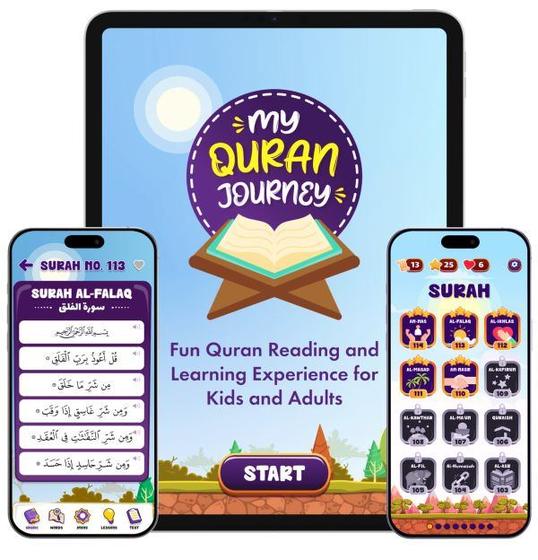
My Quran Journey helps children develop a love for the Quran through interactive stories, quizzes, and recitation tools. The app turns Quranic learning into an adventure, making it enjoyable for kids of all ages.
Key Features:
Kids Read is a digital library filled with Islamic storybooks that promote literacy and moral development. The app uses gamified features like reading challenges and interactive stories to keep children engaged.
Key Features:
As technology continues to evolve, the potential for gamification in Islamic education is limitless. Here are some exciting trends and possibilities for the future:
VR and AR technologies have the potential to create immersive learning experiences that make Islamic history and teachings come to life.
Future Possibilities:
Artificial Intelligence (AI) can take gamification to the next level by offering personalized learning experiences based on each student’s progress and learning style.
Future Possibilities:
The future will see more collaborative and community-based gamified platforms that connect learners from around the world.
Future Possibilities:
Gamification is transforming the way Islamic education is delivered, making it more engaging, interactive, and effective for learners of all ages. By incorporating elements like challenges, rewards, and interactive storytelling, gamification fosters a deeper connection to Deen while making learning fun and motivating.
At Sidr Productions, we are proud to be at the forefront of this revolution, with platforms like Deen Quest, My Quran Journey, and Kids Read that combine technology with Islamic teachings to create meaningful learning experiences. As we look to the future, we envision even more innovative ways to blend faith and technology, ensuring that the next generation of Muslims is equipped with both knowledge and a love for learning about their Deen.
By embracing gamification, we can inspire children to not only learn about Islam but to also live it, applying Islamic values in their daily lives while enjoying the process of growth and discovery.
Published 11 November 2024 in Learning technology. Questions? Get in touch.
In today’s digital age, technology has become an integral part of our daily lives From how we communicate to how we…
Read more →As we navigate deeper into the digital era, Islamic learning apps have become essential tools for parents looking to…
Read more →
In today’s digital age, technology is a powerful tool that influences nearly every aspect of our lives, from how we…
Read more →Thirty minutes, your student numbers, an honest answer about whether we are a fit. Onboarding, training and data migration are included — there is nothing to sign to find out.