

In today’s digital age, technology is a powerful tool that influences nearly every aspect of our lives, from how we communicate and work to how we learn and grow. For Muslim parents, this presents a unique opportunity to harness the power of technology to enhance their children’s understanding of Islam. While traditional methods of teaching—such as attending Madrasas, reading Islamic books, and engaging in family discussions—remain invaluable, integrating technology into your child’s Islamic education can make learning more interactive, engaging, and accessible.
Whether through apps, online courses, interactive games, or digital libraries, technology offers endless possibilities to help children connect with their faith in ways that resonate with their daily experiences. At Sidr Productions, we are committed to creating innovative digital platforms like My Quran Journey, Kids Read, and Deen Quest, designed to make Islamic learning both fun and meaningful for children of all ages.
In this blog, we’ll explore practical ways to use technology to strengthen your child’s Islamic knowledge, the benefits of digital learning tools, and tips to ensure a balanced and effective approach.
Before diving into specific tools and strategies, it’s important to understand why integrating technology into your child’s Islamic education can be so effective. Here are some key benefits:
Children are naturally drawn to interactive content like games, videos, and apps. Using technology to teach Islamic concepts makes learning fun and exciting, keeping kids engaged and motivated.
Example: Apps like Deen Quest turn Islamic learning into an adventure, allowing children to complete quests and earn rewards while learning about Islamic history and values.
With technology, Islamic learning can happen anytime and anywhere. Whether at home, on the go, or even during vacations, children can access Islamic resources at their convenience.
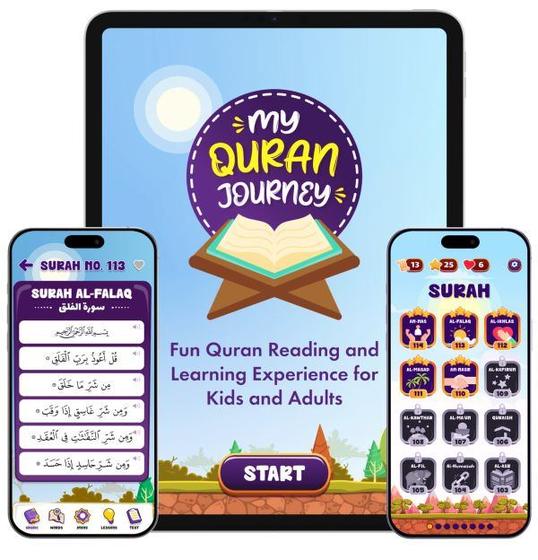
Example: Apps like My Quran Journey allow kids to learn and practice Quranic recitation wherever they are, making it easier to incorporate Islamic learning into their daily routine.
Technology can adapt to your child’s learning pace and style, offering personalized lessons that cater to their unique needs. This ensures that children stay challenged without feeling overwhelmed.
Example: Islamic apps often include progress tracking and adaptive quizzes, allowing children to focus on areas where they need improvement while celebrating their achievements.
By making Islamic learning enjoyable, technology fosters a love for lifelong learning. Children who engage with Islamic content in fun, interactive ways are more likely to continue exploring their faith as they grow older.
Example: Platforms like Kids Read offer a vast library of Islamic stories that captivate children’s imaginations, encouraging them to read more and deepen their understanding of Deen.
Now that we’ve explored the benefits, let’s dive into practical ways you can use technology to strengthen your child’s Islamic knowledge.
Islamic apps are one of the easiest and most effective ways to integrate technology into your child’s religious education. These apps offer everything from Quranic recitation and memorization tools to interactive stories and Islamic games.
Recommended Apps:
The internet offers access to a wide range of online courses and virtual classes taught by qualified Islamic scholars and educators. These courses cover topics like Quranic studies, Fiqh, Hadith, and Islamic history, allowing children to learn from the comfort of their homes.
How to Get Started:
Educational videos are a great way to visually and audibly engage children in Islamic learning. Many Islamic educators and organizations produce high-quality content tailored for young audiences.
Recommended Channels and Platforms:
Gamification makes learning exciting by incorporating game-like elements such as challenges, points, and rewards. Interactive Islamic games help children absorb complex concepts in a way that feels more like play than study.
Recommended Games:
Incorporating Islamic books into your child’s reading routine helps build their understanding of Deen. Digital libraries and e-books make it easy to access a wide range of Islamic literature from anywhere.
Recommended Platforms:
Technology can also bring families together for Islamic learning. Incorporating family-friendly apps, quizzes, and games into your routine helps create a shared learning experience.
How to Get Started:
While technology offers many benefits, it’s important to use it wisely to ensure a balanced and effective approach to Islamic education.
While Islamic apps and digital resources are valuable, it’s essential to balance screen time with offline activities like prayer, family discussions, and outdoor play.
Tips:
Parental involvement is key to ensuring that your child uses technology effectively for Islamic learning.
Tips:
Technology can teach Islamic concepts, but real-world experiences are where these lessons truly come to life.
Tips:
Technology offers endless possibilities to strengthen your child’s Islamic knowledge in engaging and interactive ways. From learning apps and educational videos to online courses and interactive games, digital tools make Islamic education accessible, fun, and effective for the next generation of Muslims.
At Sidr Productions, we are dedicated to creating platforms like My Quran Journey, Kids Read, and Deen Quest that combine the best of technology with authentic Islamic teachings. These tools are designed to make learning about Deen exciting for kids while ensuring that they build a strong and lasting connection to their faith.
By thoughtfully integrating technology into your child’s learning routine, you can foster a lifelong love for Islamic knowledge while nurturing their spiritual growth in a modern, dynamic world.
Published 11 June 2024 in Learning technology. Questions? Get in touch.
As we navigate deeper into the digital era, Islamic learning apps have become essential tools for parents looking to…
Read more →In today’s digital age, technology has become an integral part of our daily lives From how we communicate to how we…
Read more →
In an era where technology shapes much of how we live and learn, educators are continuously seeking innovative ways to…
Read more →Thirty minutes, your student numbers, an honest answer about whether we are a fit. Onboarding, training and data migration are included — there is nothing to sign to find out.