

Family is at the heart of Islamic life. It is within the home that beliefs are nurtured, values are practised, and identity is shaped. Across generations, Islamic family traditions have served as a powerful means of preserving faith, strengthening relationships, and creating a sense of continuity. These traditions are not merely cultural habits, but living expressions of faith that connect the past, present, and future.
In a rapidly changing world, maintaining these traditions can provide stability and meaning for children and adults alike. When families consciously nurture Islamic practices within the home, they create an environment where faith is not only taught but experienced.
In this article, we explore a range of Islamic family traditions that strengthen faith across generations, offering both timeless insights and practical ways to keep them alive.
In Islam, the family is considered a trust and a responsibility. Parents and elders play a central role in guiding younger generations, not only through instruction but through example. A faith-centred home is one where Islamic values are woven into daily life, creating a natural and consistent exposure to belief and practice.
Children who grow up in such environments are more likely to develop a strong sense of identity and belonging. They learn that Islam is not confined to rituals, but is a comprehensive way of life that influences behaviour, relationships, and decision-making.
The key to sustaining faith across generations lies in making these traditions meaningful rather than mechanical. When practices are carried out with sincerity and understanding, they leave a lasting impression.
One of the most powerful traditions in Muslim households is the practice of performing daily prayers together. While each individual is responsible for their own salah, praying as a family, when possible, creates a sense of unity and shared purpose.
Children who observe their parents prioritising prayer begin to understand its importance. Joining even a portion of the prayer helps them feel included and gradually builds their confidence.
Creating a routine around prayer, such as gathering for Maghrib or Isha, can become a cherished daily moment. Over time, these shared experiences form a strong spiritual foundation that children carry into adulthood.
The Quran holds a central place in Muslim life, and families that engage with it collectively often develop a deeper connection to their faith. It is among the most powerful Islamic traditions that strengthen faith across generations.
As for your household, a simple tradition could involve reading a few verses together each day or week, followed by a brief discussion about their meaning. This does not require extensive knowledge, but rather a willingness to reflect and learn together.
Listening to Quran recitation in the home also creates a peaceful atmosphere and familiarises children with its sound and rhythm. When the Quran becomes a regular presence in family life, it naturally shapes thoughts and behaviour.
Storytelling has always been a powerful way to transmit values. Within Islamic tradition, the stories of the prophets, their companions, and other righteous individuals offer rich lessons in faith, patience, courage, and compassion.
Sharing these stories across generations helps children connect with their heritage and understand the moral teachings of Islam in a relatable way. Elders often play a special role in this, passing down stories that they themselves learned in childhood.
These moments of storytelling also strengthen emotional bonds within the family, creating memories that children carry with them for years to come.
Ramadan is a time when Islamic traditions are most vividly expressed within the home. It offers a unique opportunity for families to come together in worship, reflection, and celebration.
Preparing for iftar, waking for suhoor, and attending prayers create a rhythm that brings family members closer. Children, even if they are not fasting fully, can participate in age-appropriate ways, such as helping with meals or joining in prayers.
Families often develop their own Ramadan traditions, such as special dishes, acts of charity, or nightly reflections. These shared experiences make Ramadan a deeply meaningful time that children look forward to each year.
Eid celebrations are another important tradition that strengthens faith and family bonds. While these occasions are joyful and festive, they also carry spiritual significance.
Families can emphasise the meaning behind Eid by discussing its connection to Ramadan or Hajj, performing prayers together, and engaging in acts of charity.
Simple traditions, such as visiting relatives, sharing meals, and giving gifts, help create a sense of community and belonging. When children associate these celebrations with both joy and faith, they develop a balanced understanding of their significance.
Generosity is a core value in Islam, and families can nurture this by making charity a regular practise.
Involving children in giving, whether through donating clothes, preparing food for others, or contributing to charitable causes, helps them develop empathy and compassion.
Some families establish traditions such as setting aside a portion of their income for charity or participating in community service together. These practices reinforce the idea that faith is expressed through caring for others.
Over time, children learn that giving is not an occasional act, but a way of life.
Islam places great emphasis on maintaining family ties. Visiting relatives, checking on one another, and supporting extended family members are all important Islamic family traditions that strengthen faith, especially across generations.
Regular family gatherings provide opportunities for different generations to interact, share experiences, and learn from one another. Elders can offer wisdom and guidance, while younger members bring energy and fresh perspectives.
These connections strengthen not only family bonds but also a shared sense of identity and faith. Children who grow up in close-knit families are more likely to value these relationships as they grow older.
Remembering Allah in daily life is a key aspect of Islamic practice. Families can cultivate this through simple habits such as saying daily supplications, expressing gratitude, and acknowledging blessings.
For example, saying short duas before meals, before sleeping, or when leaving the house can become natural parts of the day. Encouraging children to reflect on what they are thankful for helps them develop a positive and mindful outlook.
When remembrance becomes a shared family practice, it reinforces a constant awareness of faith.
Many of the most impactful lessons are taught informally, through everyday interactions.
Parents and elders can use daily situations to highlight Islamic values, such as honesty, patience, and kindness. For instance, resolving a conflict with fairness or showing respect to others can become teachable moments.
These real-life examples often leave a stronger impression than formal instruction, as children see how faith is applied in practical ways.
Respect for elders is deeply rooted in Islamic teaching, and it plays a significant role in strengthening faith across generations.
Encouraging children to spend time with grandparents and older relatives allows them to learn from their experiences and wisdom. Elders often carry stories, traditions, and insights that cannot be found elsewhere.
Simple acts, such as listening attentively, offering help, and showing appreciation, reinforce values of respect and humility.
These interactions create a bridge between generations, ensuring that knowledge and traditions are passed down.
Regular family gatherings that include elements of faith can become cherished traditions.
This could involve a weekly meal followed by a short discussion, a shared prayer, or a reflection on a Quranic verse. The focus should be on creating a relaxed and welcoming environment where everyone feels included.
Such gatherings provide consistency and a sense of continuity, helping to keep faith at the centre of family life.
While many Islamic traditions are timeless, they can be adapted to suit contemporary lifestyles.
For example, families with busy schedules might choose specific days for shared activities or use technology to stay connected with distant relatives. Online resources can also support learning and engagement.
The key is to preserve the essence of these traditions while making them practical and accessible. Flexibility allows families to maintain their practices without feeling overwhelmed.
Nurturing sincerity and intention
At the heart of all Islamic traditions is the concept of intention. Actions are valued not only for what is done, but for why they are done.
Families can emphasise the importance of sincerity by explaining the purpose behind their practices. This helps children understand that traditions are not empty rituals, but meaningful acts of worship.
Encouraging children to set their own intentions, even in simple ways, fosters a personal connection to their faith.
Islamic family traditions that strengthen faith are often remembered through the experiences they create. Moments of shared prayer, laughter during Ramadan, or conversations with elders leave lasting impressions.
These memories become part of a child’s identity and influence how they approach their faith in later life.
By creating positive and meaningful experiences, families ensure that their traditions are not only preserved but cherished.
Islamic family traditions play a vital role in strengthening faith across generations. Through shared practices, storytelling, acts of kindness, and everyday interactions, families create an environment where faith is lived and experienced.
In a world that is constantly evolving, these traditions provide a sense of stability, identity, and purpose. They connect individuals to their roots while guiding them towards the future.
The strength of these traditions lies not in their complexity, but in their consistency and sincerity. When families nurture them with care and intention, they become a powerful means of passing down faith, values, and love from one generation to the next.
By embracing and adapting these traditions, families can ensure that the light of faith continues to shine brightly across generations.
Published 11 April 2026 in Parenting. Questions? Get in touch.
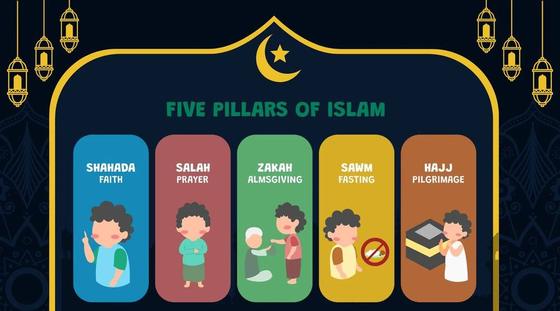
Teaching children about the Five Pillars of Islam can be a deeply rewarding experience, but it also comes with…
Read more →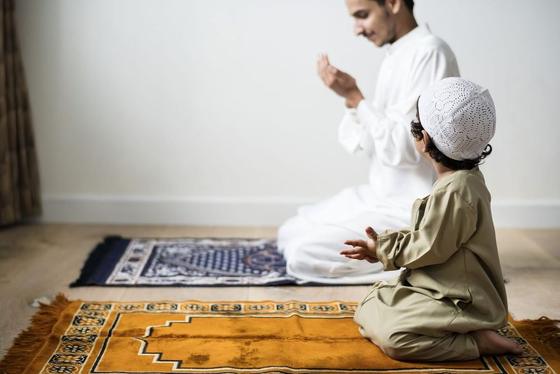
Dua, or supplication, is one of the most intimate and powerful acts of worship in Islam. It is a direct conversation…
Read more →
Raising children has never been a simple task, but in the age of social media, it has become even more complex. Today’s…
Read more →Thirty minutes, your student numbers, an honest answer about whether we are a fit. Onboarding, training and data migration are included — there is nothing to sign to find out.