

Teaching children about the Five Pillars of Islam can be a deeply rewarding experience, but it also comes with challenges. Abstract concepts such as faith, prayer, charity, fasting, and pilgrimage can be difficult for young minds to grasp if presented in a purely instructional or rigid manner. Children learn best when they are engaged, inspired, and able to connect ideas to their everyday lives. By using creative approaches, parents, teachers, and caregivers can transform these foundational aspects of Islam into meaningful, memorable lessons.
This article explores imaginative and practical ways to teach kids about the Five Pillars of Islam, helping them not only understand their significance but also develop a heartfelt connection to their faith.
Before diving into creative methods, it is important to simplify the Five Pillars in a way that resonates with children. These pillars are:
Instead of presenting them as obligations alone, frame them as ways Muslims show love, gratitude, and connection to Allah and to others. This emotional framing helps children relate on a personal level.
Children naturally gravitate towards stories. Narratives can make complex religious ideas more relatable and memorable.
You can create simple stories around each pillar. For example, a story about a kind child who shares their toys can introduce the concept of zakat. A tale about a family waking up together for prayer can illustrate salah in a warm, relatable way.
Incorporating stories from the life of the Prophet Muhammad (peace be upon him) is especially impactful. Highlight moments that demonstrate compassion, generosity, and devotion. Keep the language simple and engaging, and encourage children to reflect by asking questions such as “What would you do?” or “How did this person show kindness?”
You might also encourage children to create their own stories about the pillars. This not only reinforces their understanding but also stimulates creativity – an excellent way indeed to teach kids about the five pillars of Islam.
Children are often visual learners, and hands-on activities can make lessons more engaging.
Create a “Five Pillars” poster together. Each pillar can be represented with a drawing or symbol. For instance, a mosque for salah, a crescent moon for sawm, or a suitcase for hajj. Let children decorate the poster with colours, stickers, or glitter to make it their own.
Another idea is to build a physical model of the pillars using blocks or craft materials. Each pillar can be labelled, and as children learn about each one, they can “add” it to their structure. This reinforces the idea that these pillars form the foundation of a Muslim’s faith.
You could also create a “pillar jar” where each jar represents one pillar and contains small notes, drawings, or reminders related to it.
Learning through play is one of the most effective methods for children.
Create a matching game where children pair each pillar with its description or a related image. This helps reinforce recognition and understanding.
A quiz game can also be fun. Ask simple questions such as “Which pillar is about helping others?” or “Which pillar happens during Ramadan?” Offer small rewards or praise to keep children motivated.
Role-playing activities can be particularly powerful. Children can act out scenarios such as giving charity, preparing for prayer, or packing for hajj. This kind of experiential learning helps them internalise concepts more deeply.
Another idea is a “pillar challenge week” where each day focuses on one pillar. For example, on zakat day, children can donate toys or clothes. On salah day, they can practise prayer together as a family.
One of the most effective ways to teach kids the five pillars of Islam is by integrating lessons into daily life.
For salah, encourage children to join family prayers, even if only for a few minutes at first. Create a special prayer space with a child-friendly prayer mat to make the experience inviting.
During Ramadan, involve children in preparing for iftar. Explain the purpose of fasting in simple terms, such as learning patience and thinking about those who have less.
For zakat, involve children in acts of charity. Let them help choose items to donate or accompany you when giving to those in need. This makes the concept tangible and meaningful.
Even the shahadah can be reinforced through daily affirmations and gentle reminders of faith, helping children understand its importance as the foundation of Islam.
In today’s digital age, technology can be a helpful tool when used thoughtfully.
There are many educational apps and videos designed to teach children about Islam in an engaging way. Look for content that uses animation, songs, and interactive elements.
You could also create a simple digital presentation or slideshow with images and short explanations of each pillar. Children can even help design it, adding their own drawings or voice recordings.
Audio resources such as nasheeds or simple songs about the Five Pillars can also be effective, especially for younger children who enjoy music and rhythm.
Creative expression allows children to connect emotionally with what they are learning and can be a highly effective way to teach kids about the five pillars of Islam.
Encourage children to draw pictures related to each pillar. For example, they might draw a family praying together or a person giving to charity. Display their artwork to show appreciation and reinforce the lessons.
Simple songs or rhymes about the Five Pillars can help with memorisation. Repetition through music makes learning enjoyable and lasting.
You could also organise a small “Five Pillars day” where children present what they have learned through drawings, short talks, or performances.
Children are naturally curious, and their questions provide valuable opportunities for learning.
Create a safe and open environment where children feel comfortable asking questions about the pillars. Answer honestly and simply, adjusting explanations to their level of understanding.
For example, if a child asks why Muslims fast, you might explain that it helps people remember Allah, practise patience, and understand the struggles of others.
Encourage discussions by asking open-ended questions. This not only deepens understanding but also helps children develop critical thinking skills.
Perhaps the most powerful way to teach kids about the five pillars of Islam is by modelling behaviour.
Children learn a great deal by observing adults. When they see parents or caregivers praying regularly, giving to charity, and speaking about faith with sincerity, they are more likely to internalise these values.
Demonstrate kindness, patience, and gratitude in everyday life, linking these behaviours back to the teachings of Islam.
For instance, when giving charity, you might say, “We are doing this because Allah teaches us to help others.” This helps children connect actions with the principles behind them.
It is important to tailor teaching methods to the child’s age and developmental stage.
For younger children, focus on simple explanations, visual aids, and play-based activities. Keep lessons short and engaging.
For older children, you can introduce more detailed discussions about the meaning and significance of each pillar. Encourage them to reflect on how these practices shape a Muslim’s character and community.
Teenagers may benefit from deeper conversations about spirituality, purpose, and personal responsibility, as well as opportunities to practise the pillars more independently.
Teaching the Five Pillars is not a one-time lesson but an ongoing process.
Revisit the concepts regularly through different activities and experiences. As children grow, their understanding will deepen, and they will begin to appreciate the pillars in new ways.
Celebrate milestones, such as a child learning to perform salah or participating in fasting for the first time. Positive reinforcement builds confidence and enthusiasm.
It is also important to be patient. Every child learns at their own pace, and the goal is to nurture a genuine connection rather than enforce rigid understanding.
When it comes to learning how to teach kids about the Five Pillars of Islam, it can be a very joyful and meaningful journey, especially when approached with creativity and care. By using storytelling, crafts, games, daily routines, and personal example, these foundational principles can become living, relatable parts of a child’s life.
The aim is not only to teach children what the pillars are but to help them understand why they matter. When children experience the beauty, compassion, and purpose behind these practices, they are more likely to carry them into adulthood with sincerity and love.
Through patience, imagination, and consistency, parents and educators can plant seeds of faith that grow into a lifelong connection with Islam.
Published 10 April 2026 in Parenting. Questions? Get in touch.

Family is at the heart of Islamic life. It is within the home that beliefs are nurtured, values are practised, and…
Read more →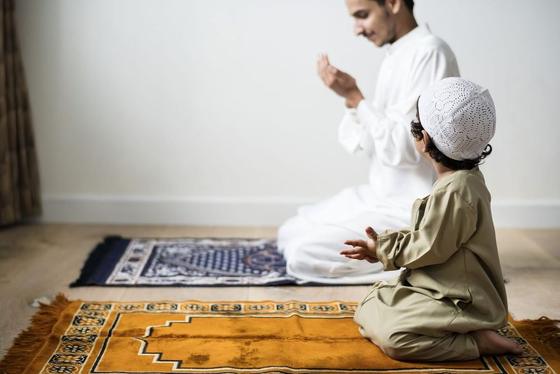
Dua, or supplication, is one of the most intimate and powerful acts of worship in Islam. It is a direct conversation…
Read more →
Raising children has never been a simple task, but in the age of social media, it has become even more complex. Today’s…
Read more →Thirty minutes, your student numbers, an honest answer about whether we are a fit. Onboarding, training and data migration are included — there is nothing to sign to find out.