

Islam is a complete way of life. It doesn’t only guide us in matters of prayer and worship, but also in how we speak, behave, and interact with others—whether in the masjid, at home, school, workplace, or even online. These manners, known as Islamic etiquette (Adab), are essential to building good character and living in a way that pleases Allah. However, many parents are not sure how to teach Islamic etiquette to their little ones in everyday situations.
Teaching children Islamic etiquette from a young age is very important as it helps them grow into respectful, kind, and responsible Muslims. But it’s not enough to teach these manners theoretically—they need to be shown how to apply them in everyday situations. This article will explore practical, age-appropriate, and engaging ways to instill Islamic etiquette in children, so they naturally carry these values into every part of their lives.
Children learn more from what they see than what they are told. If you greet people with a smile, speak kindly, and show patience, your child is more likely to do the same.
“The best of you are those who are best in manners.” (Bukhari)
When children see you consistently practicing adab—like saying Bismillah before eating or holding the door open for someone—they absorb it naturally.
The Qur’an and Sunnah place great emphasis on speaking kindly, avoiding hurtful words, and using respectful language.
Activity Idea: Create a “Kind Words Jar” where every time a child uses respectful words, they earn a token. Tokens can be exchanged for small rewards.
Mealtimes are perfect opportunities to teach Islamic etiquette because they happen daily and involve clear Sunnah guidelines.
Practical Tip: Turn it into a family challenge where everyone earns points for following the etiquette. At the end of the week, celebrate with a special family activity, as its one of the best ways to learn more about how to teach Islamic etiquette in different day-to-day situations.
Greeting with Salam is more than just politeness—it’s an act of worship that increases love between Muslims.
Storytelling Tip: Share the Hadith where the Prophet ﷺ said that spreading Salam increases love between people. Make it part of bedtime stories.
The masjid is a sacred place, and teaching children its etiquette helps them develop respect for places of worship.
Practice Activity: Before going to Jummah prayer, role-play at home—pretend the living room is a masjid and practice walking quietly, sitting respectfully, and lining up for Salah.
Islam places great emphasis on honoring parents and treating elders with respect.
Hadith Reminder: The Prophet ﷺ said,
“He is not one of us who does not have mercy on our young and respect our elders.” (Tirmidhi)
Islamic etiquette extends to how we treat the environment—avoiding waste, keeping places clean, and not harming animals.
Fun Activity: Organise a “Clean-Up Day” where the family collects litter at a park or beach while discussing the Islamic value of cleanliness.
In today’s digital age, teaching Islamic manners online is just as important as in person.
Family Rule: Before posting or sending anything, ask: Is it true? Is it kind? Is it necessary?
Helping others is an essential Islamic value. Children should learn to help without expecting rewards.
Hadith Motivation:
“The most beloved people to Allah are those who are most beneficial to people.” (Daraqutni)
Gratitude is central to Islamic manners and a key element involved in ‘how to teach Islamic etiquette to little ones.
Children need to get used to thanking Allah and people in general. Here are practical ways of achieving that:
Teaching Islamic etiquette in everyday situations isn’t about long lectures—it’s about living those values daily and guiding children to do the same. From mealtime to online behaviour, every moment is an opportunity to instill good manners that reflect the beauty of Islam.
When children grow up understanding why manners matter and seeing them practiced consistently, they’re more likely to carry those habits into adulthood—benefiting themselves, their families, and the wider Ummah.
And remember: every small act of adab is also an act of ibadah when done with the right intention.
Published 14 August 2025 in Parenting. Questions? Get in touch.

Islamic education has always been at the heart of Muslim family life, helping children grow with a strong connection to…
Read more →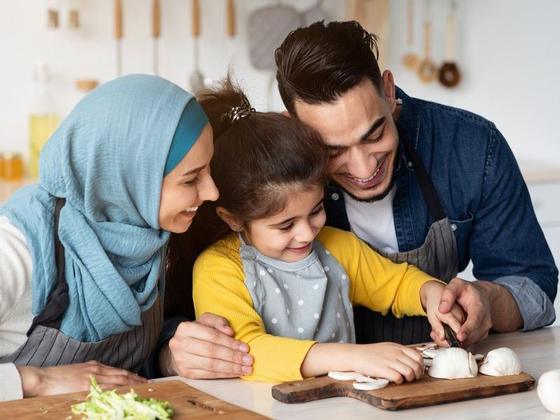
A child’s first school is their home. From the moment they begin to speak and explore the world, the home environment…
Read more →
We live in a digital-first world. From smartphones and tablets to streaming platforms and educational apps, children…
Read more →Thirty minutes, your student numbers, an honest answer about whether we are a fit. Onboarding, training and data migration are included — there is nothing to sign to find out.