

We live in a digital-first world. From smartphones and tablets to streaming platforms and educational apps, children are exposed to screens for several hours each day. For Muslim parents, this reality often raises two questions:
The truth is, digital media is not inherently harmful. It’s a tool—and like any tool, its impact depends on how it’s used. With the right guidance and resources, parents and educators can transform digital media into a means of reinforcing Islamic values in children’s everyday lives.
This blog explores practical strategies, tools, and tips for using digital media to reinforce Islamic values in children, but in a way that nurtures faith, builds character, and helps them live as proud, practicing Muslims.
Islamic values—such as honesty, compassion, patience, and respect—are timeless. But in today’s fast-paced world of social media and online entertainment, children are constantly exposed to values that may conflict with Islamic teachings.
Reinforcing Islamic values through digital media ensures that children:
By turning screens into sources of inspiration, education, and guidance, parents can help their children grow up confident in their Islamic identity.
Before diving into “how-to” strategies, let’s explore the benefits of using digital tools to reinforce Islamic values:
When used thoughtfully, digital media doesn’t replace parents and teachers—it supports them in making Islamic education fun, meaningful, and consistent.
The first step is choosing tools and digital media to reinforce Islamic values in children, but right off the bat, they need to be aligned with Islamic values. Here’s how we can accomplish just that:
Examples include:
Storytelling is one of the most effective ways to instill values—and digital media makes storytelling more engaging than ever.
Children learn by identifying with characters. When they see Prophet Yusuf’s patience, Prophet Musa’s courage, or Maryam’s devotion, they naturally absorb the values behind the stories.
Games are a natural way children explore and learn. By integrating Islamic values into games, parents can make faith both fun and memorable.
Gamification motivates children with rewards while reinforcing intrinsic motivation—doing good for Allah’s sake.
Many parents fear social media, but with guidance, it can become a platform for faith-based inspiration.
Create a family social media ritual—like watching a short Islamic clip together on weekends and discussing it.
Reflection is key to internalizing values. Digital journals or apps can help children record their thoughts and progress.
This teaches children accountability while reinforcing values like gratitude and sincerity.
Duas and dhikr can really help in utilising digital media to reinforce Islamic values in children as they are powerful ways to connect with Allah. Technology can help remind children to practice them daily.
Ideas:
By embedding duas into digital routines, children learn to associate technology with remembrance of Allah.
The most powerful reinforcement comes when families engage together.
When children see parents actively involved, they understand that Islamic values aren’t just for kids—they’re for the entire family.
Digital media is beneficial when used in moderation. Parents must guide children in balancing screen time with real-life experiences.
Balance ensures that digital media supports Islamic values rather than replacing authentic worship and family interactions.
The ultimate goal of reinforcing Islamic values through digital media is to inspire real-life behavior.
Example:
Digital content should always lead to practical application, turning lessons into lived values.
When it comes to integrating digital media to reinforce Islamic values in children, remember, our little ones need guidance to navigate digital spaces. Parents and educators should, therefore:
When children see adults living Islamic values online and offline, they naturally follow suit.
Digital media is here to stay. Instead of fearing it, Muslim families can embrace it as a tool to reinforce Islamic values in fun, engaging, and meaningful ways. From storytelling apps and gamified learning to family reflection and purposeful social media use, the opportunities are endless.
The key is intentionality: guiding children to use technology in ways that bring them closer to Allah, strengthen their identity, and prepare them for life’s challenges.
At Sidr Productions (and Sidr School), our mission is to create authentic, inspiring, and child-friendly Islamic digital content that helps families around the world turn screen time into faith time.
Published 4 September 2025 in Parenting. Questions? Get in touch.

In today’s busy world, weekends often become the only real opportunity for families to slow down, connect, and grow…
Read more →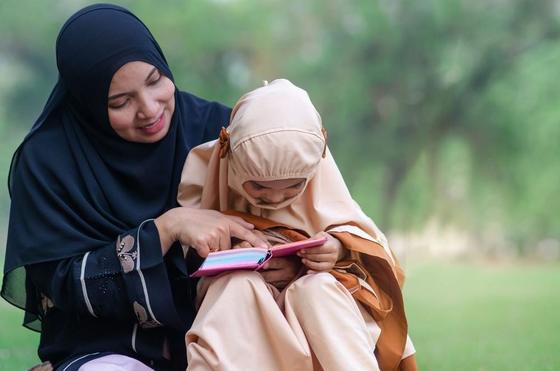
Every parent dreams of raising children who love Islam, practice it sincerely, and carry its values into adulthood. But…
Read more →
Every parent dreams of raising children who remember Allah in every part of their lives. While Islamic education often…
Read more →Thirty minutes, your student numbers, an honest answer about whether we are a fit. Onboarding, training and data migration are included — there is nothing to sign to find out.