

Raising children with a deep love for Allah and His Messenger ﷺ is one of the most meaningful responsibilities a parent can undertake. It is a journey that goes beyond teaching rules and rituals. At its heart, it is about nurturing a connection that is rooted in love, trust, understanding, and spiritual awareness. When a child develops this love early in life, it shapes their identity, strengthens their character, and guides their decisions in a way that is both natural and sincere.
In today’s fast-paced and often distracting world, building this connection requires intention, patience, and consistency. Children are influenced by what they see, hear, and experience on a daily basis. Therefore, parents and caregivers play a central role in shaping how children perceive their faith and their relationship with Allah and His Messenger ﷺ.
This article explores practical, thoughtful, and effective ways to nurture a child’s love for Allah and His Messenger ﷺ, focusing on emotional connection, everyday practices, and a supportive environment.
Before exploring methods, it is important to understand why love for the Creator is so crucial to a child’s faith.
Children learn best through emotions and experiences. When faith is presented as a source of comfort, joy, and meaning, children naturally develop a positive connection to it. On the other hand, if faith is associated only with rules, restrictions, or fear, it may feel distant or burdensome.
Love creates a foundation that makes learning and practising Islam feel meaningful rather than forced. A child who loves Allah will want to please Him. A child who loves the Prophet ﷺ will want to follow his example.
This emotional connection becomes a guiding force that remains strong even as the child grows older and faces new challenges.
One of the most effective ways to build love for Allah is to introduce Him as loving, merciful, and caring.
Children should learn that Allah is the One who created them, provides for them, and cares for them at all times. Simple, everyday examples can help make this concept clear.
Parents can point out blessings such as food, family, nature, and health, explaining that these are gifts from Allah. This helps children recognise His presence in their lives.
It is also important to emphasise Allah’s mercy and forgiveness. Children should feel that they can turn to Him in any situation, whether they are happy, sad, or in need of help.
By focusing on love and mercy, children develop a positive and comforting image of Allah, which forms the basis of their relationship with Him.
Children understand concepts differently from adults. Therefore, it is important to use language that is simple, clear, and relatable.
Instead of abstract explanations, parents can use examples and analogies that children can relate to. For instance, explaining that Allah loves them more than anyone else and is always watching over them can be comforting and easy to grasp.
Repetition also plays a key role. Regularly mentioning Allah in conversations helps reinforce the connection.
For example, phrases such as “Allah loves kindness” or “Allah is happy when we help others” link everyday actions to faith.
This approach makes the concept of Allah part of a child’s daily life rather than something distant or abstract.
Stories are one of the most powerful tools for teaching children.
The stories of the prophets, especially the life of the Prophet ﷺ, provide valuable lessons and inspiration. These stories should be shared in a way that highlights character, kindness, patience, and love.
For example, telling children how the Prophet ﷺ showed compassion to others, cared for children, and treated people with kindness helps them see him as a role model.
Stories should be engaging, age-appropriate, and interactive. Asking questions and encouraging children to reflect on the lessons makes the experience more meaningful.
Through storytelling, children develop admiration and love for the Prophet ﷺ, as they begin to understand his character and his role in guiding humanity.
To build love for the Prophet ﷺ, children need to see him as someone they can relate to and look up to.
This can be achieved by highlighting aspects of his life that resonate with children. For example, his kindness towards children, his patience, and his honesty.
Parents can share simple examples of how the Prophet ﷺ behaved in everyday situations, such as greeting others, helping those in need, and showing gratitude.
Encouraging children to send blessings upon him also strengthens this connection. Explaining that he loves his followers and will intercede for them creates a sense of closeness.
The goal is to help children feel that the Prophet ﷺ is someone they love and want to follow, rather than a distant historical figure.
The home environment plays a crucial role in shaping a child’s faith.
A home filled with kindness, respect, and positive behaviour reflects the teachings of Islam and reinforces the values associated with love for Allah and His Messenger ﷺ.
Parents should model the behaviour they wish to see in their children. When children observe their parents praying, making dua, and speaking about Allah with love, they are more likely to adopt these practices.
Avoiding harshness or negativity in matters of faith is also important. Gentle guidance and encouragement are more effective than strict or forceful approaches.
A positive environment helps children associate Islam with comfort, happiness, and love.
Acts of worship are an important part of building a connection with Allah.
However, for children, these acts should be introduced gradually and in a way that is engaging and meaningful.
Prayer, for example, can be encouraged by involving children in the process, allowing them to observe and participate.
Dua can be taught as a personal conversation with Allah, where children can express their thoughts and feelings.
Celebrating small achievements and encouraging consistency helps build confidence and motivation.
The focus should be on developing a habit of worship that is rooted in love rather than obligation.
One of the most effective ways to nurture love for Allah and His Messenger ﷺ is to connect faith to everyday experiences.
This can be done by:
By linking faith to daily activities, children begin to see it as a natural part of life.
For example, saying “Alhamdulillah” after eating or “Bismillah” before starting something creates a continuous awareness of Allah.
This integration helps strengthen the child’s connection and makes faith more meaningful.
Children are naturally curious and may ask questions about faith.
Encouraging these questions and answering them thoughtfully helps build understanding and trust.
It is important to create an environment where children feel comfortable expressing their thoughts without fear of judgement.
If parents do not know the answer to a question, they can explore it together with the child. This approach shows that learning is a continuous process.
Curiosity, when guided positively, leads to deeper understanding and stronger faith.
While it is important to teach children about right and wrong, the primary focus should be on love rather than fear.
Children who are motivated by love are more likely to develop a sincere and lasting connection with their faith.
Fear-based approaches may lead to compliance in the short term but can create distance or anxiety over time.
By emphasising Allah’s mercy and the kindness of the Prophet ﷺ, parents can create a balanced understanding that encourages positive behaviour.
Love should be the foundation, with guidance and discipline supporting it in a gentle and constructive way.
Consistency is key in nurturing a child’s love for Allah and His Messenger ﷺ.
Establishing simple routines helps reinforce habits and create a sense of stability.
This can include:
These routines should be flexible and adapted to the child’s age and ability.
Over time, they become a natural part of the child’s life, strengthening their connection to Allah and His Messenger ﷺ.
Love for Allah and His Messenger ﷺ is reflected in a child’s character.
Teaching values such as honesty, kindness, patience, and generosity helps children embody the teachings of Islam.
Parents can highlight how these qualities were exemplified by the Prophet ﷺ, reinforcing the connection between behaviour and faith.
Positive reinforcement, such as praise and encouragement, helps children internalise these values.
When children see the impact of their actions on others, they are more likely to continue practising good behaviour.
Learning about Islam should be an enjoyable experience for children.
Using creative methods such as games, crafts, and activities can make learning more engaging.
For example, children can create artwork related to Islamic themes, participate in storytelling sessions, or learn through interactive activities.
Celebrating Islamic occasions with joy and enthusiasm also helps create positive associations.
When learning is enjoyable, children are more likely to remain interested and engaged.
Building a child’s love for Allah and His Messenger ﷺ is a gradual process. It requires patience, consistency, and understanding. Each child is different, and progress may vary.
Parents should focus on creating a supportive environment and guiding their children with care. Small, consistent efforts often have a greater impact than occasional large actions.
Over time, these efforts contribute to a strong and lasting connection.
Nurturing a child’s love for Allah and His Messenger ﷺ is one of the most rewarding aspects of parenting. It is a journey that involves emotional connection, daily practice, and a supportive environment.
By focusing on love, using simple and meaningful methods, and integrating faith into everyday life, parents can help children develop a deep and lasting bond.
This connection not only strengthens their faith but also shapes their character, guiding them towards a life of purpose and fulfilment.
In a world filled with distractions and challenges, this foundation becomes a source of strength, comfort, and direction for children as they grow.
With patience, care, and sincerity, parents can nurture a love that remains with their children throughout their lives.
Published 29 April 2026 in Parenting. Questions? Get in touch.

Raising children in today’s world presents unique challenges, particularly when it comes to maintaining a strong…
Read more →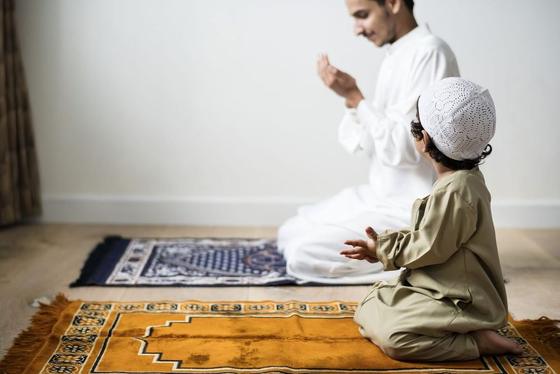
Dua, or supplication, is one of the most intimate and powerful acts of worship in Islam. It is a direct conversation…
Read more →
Raising children has never been a simple task, but in the age of social media, it has become even more complex. Today’s…
Read more →Thirty minutes, your student numbers, an honest answer about whether we are a fit. Onboarding, training and data migration are included — there is nothing to sign to find out.