

Raising children in today’s world presents unique challenges, particularly when it comes to maintaining a strong connection to faith. Modern schools provide valuable academic opportunities, social development, and exposure to diverse perspectives. However, they can also introduce influences, values, and environments that may not always align with Islamic teachings.
For Muslim parents, the goal is not to isolate children from the world, but to equip them with a strong foundation that allows them to navigate it confidently. Helping children stay connected to Islam while attending modern schools requires a thoughtful balance of education, emotional support, and consistent reinforcement of values.
This article explores practical and meaningful ways to support children in maintaining their Islamic identity, nurturing their faith, and building confidence in their beliefs while thriving in modern educational environments.
Before addressing solutions, it is important to recognise the challenges that children may encounter in modern schools.
Children are exposed to a wide range of ideas, lifestyles, and behaviours. While diversity can be enriching, it can also create confusion or pressure, particularly if children feel that their beliefs are different from those around them.
Some common challenges include:
Understanding these challenges helps parents approach the situation with empathy and awareness. It also highlights the importance of proactive guidance rather than reactive responses.
The home environment is the most important place for nurturing a child’s connection to Islam.
Before children step into the outside world, they should feel secure and confident in their identity. This begins with creating a home where Islam is lived, not just taught.
Daily practices such as prayer, recitation of the Quran, and making dua should be part of the family routine. These acts help children develop a natural connection to their faith.
Equally important is the emotional atmosphere. A home filled with kindness, respect, and positive communication reflects Islamic values and reinforces their importance.
Children who feel supported and understood at home are better equipped to face challenges outside.
A strong sense of identity is essential for helping children stay connected to Islam while navigating modern schools.
Children should understand what it means to be Muslim and feel proud of their faith. This includes learning about Islamic beliefs, practices, and history in a way that is engaging and age-appropriate.
Parents can:
When children understand their faith, they are less likely to feel uncertain or influenced by external pressures.
Confidence in identity allows them to interact with others while staying true to their beliefs.
Communication is one of the most powerful tools for supporting children.
Children should feel comfortable discussing their experiences at school, including any challenges or concerns they may have.
Parents can encourage this by:
For example, asking “How was your day?” can be followed by more specific questions such as “Did anything make you feel uncomfortable?” or “Did you have any questions about what you learned?”
Open communication helps parents stay informed and allows children to process their experiences with support.
Children will inevitably encounter situations where their beliefs are questioned or challenged.
Preparing them for these moments is essential.
Parents can guide children on how to respond respectfully and confidently. This includes:
Role-playing different scenarios can be helpful. For example, practising how to respond if someone asks why they pray or wear certain clothing.
This preparation helps children feel more confident and less anxious in real situations.
One of the most effective ways to keep children connected to Islam is to show how it relates to their daily lives.
Islam is not limited to specific rituals; it is a way of life that influences behaviour, relationships, and decision-making.
Parents can highlight this by:
For example, if a child helps a classmate, parents can explain how this reflects the teachings of Islam.
This approach makes faith relevant and practical, helping children see its value in all aspects of life.
Friendships play a significant role in a child’s development.
Parents should encourage children to build positive relationships while maintaining their values.
This includes:
It is important to teach children that they can be friendly and respectful without adopting behaviours that conflict with their faith.
Parents can also create opportunities for children to connect with other Muslim peers, such as through community events or activities. These connections provide a sense of belonging and support.
Supplementing school education with Islamic learning is essential.
This can include:
These activities help reinforce knowledge and provide a deeper understanding of Islam.
They also create opportunities for children to engage with their faith in a structured and supportive environment.
Children often have busy schedules, balancing schoolwork, extracurricular activities, and social life.
Helping them integrate faith into this routine is important.
Parents can:
For example, setting aside time for prayer and Quran recitation alongside homework helps establish a balanced routine.
This integration ensures that faith remains a priority without overwhelming the child.
Children may encounter misconceptions about Islam in school. These can come from peers, media, or even curriculum content.
Parents should address these issues calmly and clearly, providing accurate information and context.
Encouraging critical thinking helps children evaluate what they hear and understand their faith more deeply.
It is important to avoid dismissing their concerns. Instead, parents should engage in discussions that build understanding and confidence.
Positive reinforcement is an effective way to encourage good behaviour and strengthen faith.
Acknowledging and praising efforts, such as remembering to pray or showing kindness, helps children feel motivated.
This approach builds confidence and reinforces the connection between actions and values.
Rewards can also be used thoughtfully, but the focus should remain on intrinsic motivation and understanding.
Where possible, parents can work with schools to create a more supportive environment.
This may include:
Building a positive relationship with the school helps ensure that children feel supported and respected.
It also provides an opportunity to promote understanding and inclusivity.
Children learn more from what they see than what they are told.
Parents who practise their faith consistently and demonstrate good character provide a powerful example.
This includes:
When children see their parents living their faith, they are more likely to adopt similar behaviours.
Helping children stay connected to Islam is a long-term process. One which requires patience, consistency, and understanding.
There may be moments of difficulty or doubt, but these are part of the journey. In any case, parents should remain supportive and continue guiding their children with care.
Small, consistent efforts often have the greatest impact over time.
Ultimately, children should understand that their faith provides purpose and direction.
Islam offers guidance for living a meaningful and fulfilling life. Helping children see this bigger picture can strengthen their connection and motivation.
This includes discussing:
When children understand the purpose behind their actions, they are more likely to remain committed to their faith.
Helping children stay connected to Islam in modern schools is both a challenge and an opportunity. It requires a thoughtful approach that combines education, emotional support, and practical guidance.
By building a strong foundation at home, encouraging open communication, and integrating faith into daily life, parents can help children navigate their environments with confidence.
The goal is not to shield children from the world, but to prepare them for it, equipping them with the knowledge, values, and strength to remain connected to their faith.
With patience, consistency, and sincerity, parents can nurture a lasting connection that supports their children throughout their lives, enabling them to thrive both academically and spiritually.
Published 29 April 2026 in Parenting. Questions? Get in touch.

Raising children with a deep love for Allah and His Messenger ﷺ is one of the most meaningful responsibilities a parent…
Read more →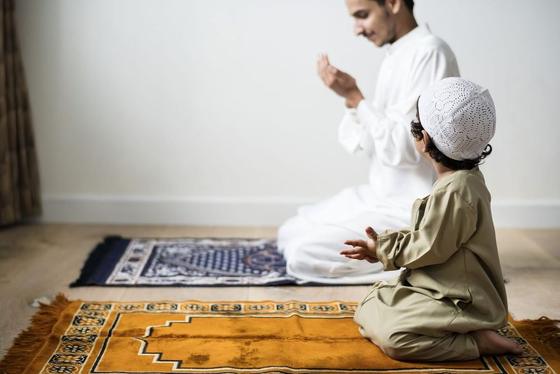
Dua, or supplication, is one of the most intimate and powerful acts of worship in Islam. It is a direct conversation…
Read more →
Raising children has never been a simple task, but in the age of social media, it has become even more complex. Today’s…
Read more →Thirty minutes, your student numbers, an honest answer about whether we are a fit. Onboarding, training and data migration are included — there is nothing to sign to find out.