

The digital transformation of education has changed the way students learn across the world, and Islamic education is no exception. In 2026, online Islamic learning has become increasingly common for children, teenagers, and adults alike. Families now have access to virtual Quran classes, Islamic studies programmes, Arabic language courses, and interactive educational platforms from anywhere in the world.
While online learning offers flexibility, accessibility, and convenience, it also introduces new challenges. Excessive screen time, inconsistent schedules, distractions, and lack of structure can affect both educational progress and spiritual connection. Without balance, online learning may become overwhelming or ineffective.
A balanced online Islamic education routine is therefore essential. Such a routine helps students maintain consistency, manage time effectively, and develop healthy habits while ensuring that faith remains meaningful and spiritually enriching. It combines structured learning with rest, reflection, worship, family interaction, and personal wellbeing.
This article explores how families, students, and educators can build a sustainable and balanced online Islamic education routine in today’s digital world.
Balance is one of the core principles of Islam. Islamic teachings encourage moderation in all aspects of life, including work, worship, social interaction, and personal wellbeing.
This principle is especially important in online education. While technology can greatly enhance learning, excessive or poorly managed digital engagement can lead to fatigue, distraction, reduced focus, and emotional stress.
A balanced routine helps students:
The goal is not simply to spend more time online but to create meaningful and productive learning experiences that support both educational and spiritual growth.
The first step in building an effective and balanced online Islamic education routine is identifying clear goals.
Without direction, learning can become disorganised and inconsistent. Families and students should ask:
Goals may include:
Clear goals help structure the routine and ensure that learning remains purposeful.
One of the biggest mistakes in building a balanced online Islamic education routine is creating schedules that are overly ambitious or difficult to maintain.
A successful routine should be realistic, sustainable, and flexible enough to fit around school, work, and family responsibilities.
When designing a schedule, consider:
For younger children, shorter sessions with breaks are usually more effective than long periods of study. Older students may benefit from more structured and independent study blocks.
A balanced routine may include:
Consistency is often more valuable than intensity. Small daily habits usually produce better long-term results than irregular, lengthy study sessions.
Prayer should remain the foundation of any Islamic education routine.
In a digital world filled with distractions, salah provides structure, discipline, and spiritual grounding.
Families should build schedules around prayer times rather than treating prayer as an interruption to learning.
For example:
This approach helps students associate learning with worship and reminds them that knowledge is meant to strengthen their relationship with Allah.
The learning environment has a significant impact on concentration and productivity.
A dedicated space for online Islamic learning helps students mentally prepare for study and reduces distractions.
An effective learning space should ideally be:
For younger children, visual organisation and positive atmosphere are especially important.
A consistent study environment also encourages discipline and routine.
Online education naturally involves screen use, but excessive screen time can affect concentration, physical health, and emotional wellbeing.
A balanced routine should therefore include offline activities alongside digital learning.
Offline activities may include:
These activities reinforce learning while reducing dependency on screens.
Balance also helps students remain mentally refreshed and emotionally stable.
Technology should be used purposefully rather than passively.
Students can easily become distracted by notifications, social media, games, or unrelated online content during study time.
To maintain focus, families can:
Students should also be taught digital discipline and time management skills.
Technology works best when it supports learning rather than competes with it.
Quran learning is often the centre of online Islamic education routines.
However, consistency is more important than quantity. Memorising large portions quickly without revision often leads to frustration and weak retention.
Balanced Quran routines should include:
Even 15–30 minutes of focused Quran study daily can produce strong long-term progress when maintained consistently.
Importantly, Quran learning should remain spiritually meaningful rather than becoming purely academic.
Many students focus heavily on memorisation while neglecting understanding.
A balanced Islamic education routine should include time for learning meanings, context, and practical application.
For example:
Understanding deepens emotional connection and helps students apply Islamic teachings in their lives.
Without understanding, learning may feel disconnected or mechanical.
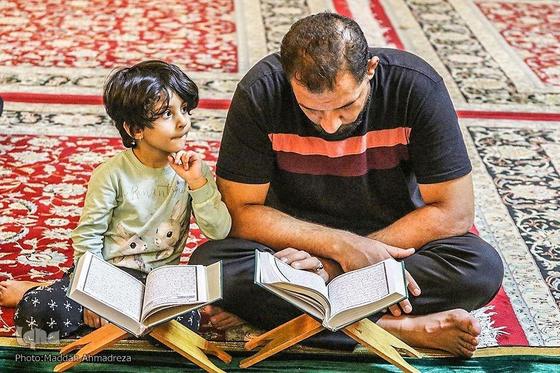
Online Islamic education is most effective when families are actively involved.
Parents do not need to be scholars to support learning. Their encouragement, consistency, and involvement make a significant difference.
Families can:
Children are more likely to remain motivated when they see faith integrated naturally into family life.
Family involvement also strengthens emotional connection to learning.
As children grow older, they should gradually take more responsibility for their learning routines.
This helps develop discipline, accountability, and self-motivation.
Students can be encouraged to:
Developing independence is especially important in digital learning environments, where self-discipline plays a major role in success.
A balanced routine should not be rigid or overly stressful.
Unexpected changes, school demands, illness, or family commitments may occasionally disrupt schedules.
Flexibility helps prevent frustration and burnout.
Rather than aiming for perfection, families should focus on long-term consistency and gradual improvement.
For example, if a full lesson cannot be completed, a shorter revision session or Quran recitation may still maintain momentum.
Flexibility supports sustainability.
One common mistake in trying to build a balanced online Islamic education routine is trying to do too much at once.
Parents may enrol children in multiple courses, classes, and programmes, leading to exhaustion and reduced motivation.
Signs of overload include:
A balanced routine prioritises quality over quantity.
Students need time for rest, recreation, social interaction, and emotional wellbeing alongside study.
Islamic education is not solely about acquiring information.
Students should be encouraged to reflect on what they learn and connect it to their relationship with Allah.
This may include:
Reflection helps students internalise knowledge and develop spiritual awareness.
In a fast-paced digital environment, moments of calm and contemplation are especially valuable.
Online learning can sometimes feel isolating.
Students benefit from opportunities to connect with others in meaningful ways.
This may involve:
Strong social connection helps maintain motivation and emotional balance.
Faith is often strengthened through community and shared experiences.
An online Islamic education routine should also teach children how to interact with technology responsibly.
This includes:
Parents and educators should connect these habits to Islamic values such as moderation, honesty, and self-control.
Healthy digital habits are essential for long-term success in a hyper-connected world.
The quality of learning materials significantly affects engagement.
Children especially benefit from interactive and visually engaging resources.
Useful resources may include:
Older students may prefer structured courses, podcasts, or discussion-based lessons.
Choosing age-appropriate materials helps maintain interest and motivation.
Regular review helps students stay motivated and identify areas for improvement.
Families can review:
Celebrating small achievements encourages confidence and positive association with learning.
Progress reviews should focus on encouragement rather than criticism.
The most successful online Islamic education routines are those that are sustainable over time.
Consistency matters more than intensity.
A child who studies Quran consistently for 20 minutes daily over several years is likely to achieve far more than one who studies irregularly in large amounts.
Long-term consistency develops habits, discipline, and emotional attachment to learning.
It also allows faith to become naturally integrated into daily life.
Ultimately, online Islamic education should not simply prepare children for exams or short-term goals.
It should nurture a lifelong love of learning, worship, and spiritual growth.
Children should gradually learn how to:
A balanced routine helps build these lifelong habits and attitudes.
Building a balanced online Islamic education routine requires thoughtful planning, flexibility, and consistency. In today’s digital world, families must carefully balance technology, spirituality, education, and wellbeing to create routines that are both effective and sustainable.
By prioritising prayer, setting realistic goals, balancing online and offline learning, encouraging reflection, and maintaining healthy digital habits, students can benefit greatly from modern educational opportunities without losing spiritual focus.
Online Islamic education has enormous potential to increase accessibility, engagement, and flexibility. However, its true value lies not simply in the technology itself but in how it is used to strengthen faith, character, and connection to Allah.
With the right balance, online learning can become a powerful tool for nurturing knowledgeable, spiritually grounded, and confident Muslims who are prepared to navigate the challenges of the modern world while remaining firmly connected to their Islamic identity.
Published 6 May 2026 in Parenting. Questions? Get in touch.
Children today are growing up in a world unlike any previous generation. Smartphones, social media, online…
Read more →
Faith development has always been one of the most important aspects of raising children in Islam. However, in 2026…
Read more →
Raising children in today’s world presents unique challenges, particularly when it comes to maintaining a strong…
Read more →Thirty minutes, your student numbers, an honest answer about whether we are a fit. Onboarding, training and data migration are included — there is nothing to sign to find out.