

The rapid advancement of educational technology has transformed the way children learn. From interactive lessons and virtual classrooms to personalised educational platforms, digital learning has become an important part of modern education. While much attention has been given as of late to the academic benefits of Islamic e-learning platforms, its potential to support ethical and spiritual development is equally significant, particularly within Islamic education.
For Muslim families, education is about much more than academic success. It is about nurturing faith, developing good character, strengthening moral values, and helping children build a meaningful relationship with Allah. These qualities shape how children interact with others, make decisions, and approach life’s challenges. As digital education becomes increasingly integrated into daily life, many parents and educators are exploring how technology can support these broader educational goals.
In 2026, as digital education continues to evolve, new ways are surfacing to support both intellectual development and spiritual growth in young Muslim individuals everywhere.
One of the greatest strengths of Islamic e-learning platforms is their ability to make Islamic education accessible to more children.
Many families live in areas where access to qualified Islamic teachers or specialised educational programmes may be limited. Online learning removes geographical barriers by allowing children to connect with knowledgeable educators and access high-quality resources regardless of location.
This accessibility enables children to study the Quran, Hadith, Fiqh, Seerah, Arabic, and Islamic values from home while maintaining consistent learning routines. Greater access to authentic Islamic knowledge helps children strengthen their understanding of their faith and encourages continuous learning throughout childhood.
The ability to revisit lessons at any time also allows students to learn at their own pace, reinforcing both knowledge and confidence.
Ethical development has always been a central objective of Islamic education.
Children are encouraged to develop qualities such as honesty, kindness, patience, humility, generosity, and respect. Islamic e-learning platforms can reinforce these values through carefully designed lessons, stories, activities, and practical examples.
Interactive scenarios often help children explore how Islamic teachings apply to real-life situations. Lessons may encourage students to think about honesty in friendships, kindness towards family members, or responsibility within their communities.
These activities move beyond memorising information by helping children reflect on how good character should influence everyday behaviour.
When ethical lessons are connected to practical situations, children are more likely to understand and apply them.
The Quran remains the foundation of Islamic learning and spiritual development.
Modern Islamic e-learning platforms provide children with opportunities to recite, memorise, listen to, and understand the Quran through engaging educational experiences. Audio recitations, pronunciation guidance, interactive memorisation tools, and age-appropriate explanations all contribute to stronger engagement.
Importantly, many platforms also focus on helping children understand the meanings of verses rather than simply memorising them. This deeper understanding encourages reflection and allows students to appreciate how Quranic teachings relate to their daily lives.
As children engage regularly with the Quran, they often develop stronger emotional and spiritual connections with its message. Consistent interaction helps establish lifelong habits of Quran study and reflection.
Spiritual development involves more than acquiring knowledge.
Children also need opportunities to reflect on what they learn and consider how Islamic teachings influence their own lives. Many e-learning platforms now include discussion prompts, reflective questions, and practical activities that encourage personal thinking.
Rather than simply completing lessons, students may be asked how they can demonstrate gratitude, forgiveness, patience, or compassion in everyday situations. Reflection helps transform information into personal understanding.
When children think carefully about Islamic values and their practical application, learning becomes more meaningful and spiritually enriching. Digital education can, therefore, encourage thoughtful engagement rather than passive information consumption.
Children naturally respond well to storytelling.
Islamic history, the lives of the Prophets, and the biography of Prophet Muhammad ﷺ provide rich opportunities to teach ethical values through inspiring narratives. E-learning platforms often use animations, illustrations, videos, and interactive storytelling techniques to present these lessons in engaging ways.
Stories help children understand complex moral concepts by demonstrating how they apply in real situations. Lessons about honesty, courage, compassion, and perseverance become easier to understand when illustrated through meaningful examples.
These narratives encourage emotional engagement while helping children remember important lessons more effectively.
Every child develops spiritually and academically at a different pace.
Modern Islamic e-learning platforms increasingly use personalised learning pathways that adapt lessons according to each student’s progress and understanding. This flexibility allows children to revisit challenging topics, spend additional time reflecting on important concepts, and build confidence gradually.
Personalised learning helps reduce frustration while ensuring that children remain appropriately challenged.
Some students may progress quickly through Quran memorisation, while others require additional support with understanding Islamic values or Arabic vocabulary. By adapting to individual learning needs, digital platforms create more positive and effective educational experiences.
Spiritual growth is closely connected to daily practice.
Most Islamic e-learning platforms today encourage children to establish positive routines such as regular Quran recitation, daily duas, acts of kindness, and consistent learning habits. Progress tracking systems, reminders, and goal-setting features help reinforce these behaviours over time.
Children gradually learn that faith is expressed through consistent actions rather than occasional activities. Small daily habits often contribute significantly to long-term spiritual development.
Parents remain the primary educators in a child’s spiritual journey.
The most modern and up-o-date Islamic e-learning platforms include features that encourage family participation through progress reports, discussion topics, learning summaries, and shared educational activities.
These tools allow parents to remain informed about what their children are studying and reinforce lessons through conversations at home.
For example, a lesson on gratitude can continue around the dinner table, while a lesson on kindness can inspire family acts of service. When parents actively participate in learning, children often develop stronger understanding and deeper appreciation of Islamic teachings.
As children spend increasing amounts of time online, learning how to use technology responsibly has become an important aspect of education.
Islamic e-learning platforms provide opportunities to discuss digital behaviour through the lens of Islamic values. Children learn about honesty, respect, privacy, modesty, kindness, and responsibility within digital environments. These lessons help students understand that Islamic ethics apply equally online and offline.
Responsible digital citizenship prepares children to navigate modern technology while maintaining strong moral principles.
Although Islamic e-learning platforms offer many benefits, they should complement rather than replace traditional Islamic education.
Personal relationships with teachers, mosque attendance, family discussions, and community involvement remain essential aspects of spiritual growth. Technology serves most effectively when it supports these experiences rather than replacing them.
Children benefit from combining digital resources with face-to-face learning, practical worship, and real-world application of Islamic values. Balanced educational approaches provide the advantages of technology while preserving the human and spiritual elements of Islamic learning.
This balance helps ensure that education remains authentic and holistic.
The ultimate purpose of Islamic education is to nurture lifelong commitment to faith.
E-learning platforms focusing on Islamic knowledge and development contribute to this goal by making learning enjoyable, accessible, and relevant to children’s everyday experiences. Interactive lessons, personalised pathways, and engaging educational resources help maintain curiosity and enthusiasm.
Children who enjoy learning about Islam are often more likely to continue seeking knowledge as they grow older. Not only that but digital education also introduces learners to habits of independent study and reflection that can continue throughout adulthood.
As educational technology continues to evolve, opportunities to support ethical and spiritual development will continue expanding.
Artificial intelligence, adaptive learning systems, interactive simulations, and personalised educational experiences are likely to become increasingly common. However, technological innovation should always remain guided by sound educational principles and authentic Islamic values.
The most effective platforms will continue focusing not only on knowledge acquisition but also on character development, reflection, and meaningful application of faith.
Technology should remain a tool that strengthens relationships with Allah, family, teachers, and the wider Muslim community. Its greatest value lies in supporting—not replacing—the human connections that define Islamic education.
E-learning platforms are transforming Islamic education by making knowledge more accessible, engaging, and adaptable to individual learning needs. Beyond academic achievement, these digital tools also play an important role in supporting children’s ethical and spiritual development.
Through Quran learning, Islamic storytelling, personalised instruction, reflective activities, family involvement, and lessons focused on character building, modern educational platforms help children strengthen both their understanding of Islam and their daily practice of its values.
When combined with parental guidance, qualified teachers, and traditional Islamic learning, e-learning creates balanced educational experiences that nurture faith alongside knowledge.
As technology continues to shape the future of education, thoughtfully designed Islamic e-learning platforms have the potential to help future generations grow into knowledgeable, compassionate, responsible, and spiritually grounded Muslims who carry the values of Islam confidently throughout every stage of their lives.
Published 2 July 2026 in Parenting. Questions? Get in touch.

Islamic education plays a vital role in helping children develop a strong foundation of faith, character, and…
Read more →
The rapid growth of educational technology has transformed classrooms around the world, and Islamic education is no…
Read more →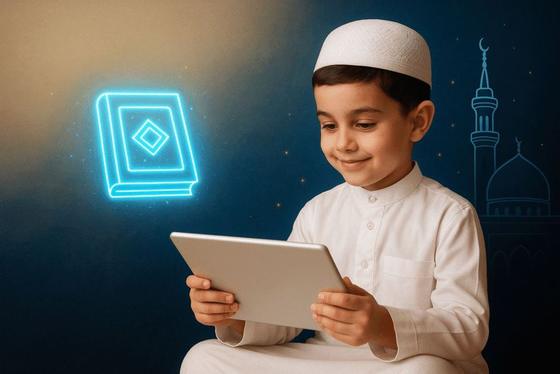
Islamic education has undergone a significant transformation in recent years. As technology continues to reshape the…
Read more →Thirty minutes, your student numbers, an honest answer about whether we are a fit. Onboarding, training and data migration are included — there is nothing to sign to find out.