

The rapid growth of educational technology has transformed classrooms around the world, and Islamic education is no exception. In 2026, digital tools have become an important part of how students learn Quran recitation, Arabic language skills, Islamic history, Seerah, Hadith, and broader Islamic values.
However, technology alone does not guarantee effective education. Islamic learning has unique goals that extend beyond academic achievement.
This makes teachers fully liable and responsible for not only conveying knowledge but also nurturing faith, developing character, encouraging spiritual reflection, and helping students build meaningful relationships with Allah.
For teachers seeking to maximise the benefits of using digital tools in Islamic education while preserving Islam’s underlying, the following ten strategies provide a practical framework for success.
One of the most common mistakes educators make is selecting technology before identifying educational goals.
New platforms and applications appear constantly, each offering attractive features and innovative capabilities. However, effective teaching begins with clear learning objectives rather than technology itself. Teachers should first determine what they want students to learn and then identify digital tools that support those goals.
For example, if the objective is improving Quran memorisation, a revision-tracking application may be useful. If the goal is increasing student participation during Islamic history lessons, interactive quizzes or collaborative discussion platforms may be more appropriate.
Technology should serve educational outcomes rather than becoming the focus of the lesson. When tools are selected with clear purpose, they are far more likely to contribute positively to student learning.
Throughout Islamic history, education has been built upon strong relationships between teachers and students. Knowledge was traditionally transmitted through mentorship, personal interaction, and direct guidance.
Digital tools can enhance learning experiences, but they cannot fully replace the wisdom, encouragement, and personal support provided by a knowledgeable teacher. Students often require clarification, motivation, emotional support, and spiritual guidance that technology alone cannot provide.
Teachers should use digital resources to complement rather than replace these relationships. Online platforms can facilitate communication, provide additional learning opportunities, and reinforce lessons, but personal engagement remains essential.
Students are often most successful when they feel connected to their teachers and supported throughout their educational journey.
Modern students have grown up in highly interactive digital environments. Traditional lecture-based teaching alone may not always capture their attention effectively.
Digital tools provide opportunities to create more engaging learning experiences through interactive quizzes, educational games, multimedia presentations, polls, and collaborative activities. These approaches encourage active participation and help students remain focused.
For example, a lesson about the life of the Prophets can be enhanced with visual timelines, maps, videos, and discussion activities. Quran lessons can incorporate recitation challenges, pronunciation exercises, and interactive revision sessions.
Engagement improves when students become active participants rather than passive recipients of information. Interactive learning also tends to improve retention and understanding.
Quran education remains at the heart of Islamic studies, and digital tools offer valuable support in this area.
Modern Quran platforms provide features such as recitation recordings, tajweed guidance, memorisation tracking, pronunciation support, and structured revision systems. These resources allow students to practise outside classroom hours and reinforce lessons learned from teachers.
Interactive Quran tools can help students develop greater consistency and confidence in their studies. They also provide opportunities for personalised practice according to individual learning needs.
However, teachers should continue to play a central role in correcting recitation, monitoring progress, and ensuring students maintain proper understanding and respect for the Quran.
Every student learns differently. Some progress rapidly, while others require additional support and repetition. Traditional classrooms can sometimes struggle to accommodate these differences effectively.
As teachers continue using digital tools in Islamic education and become more familiar with different learning platforms, they can really begin to tap into the personalisation features that allow students to learn at their own pace. Personalised learning is particularly useful for subjects such as Arabic language studies and Quran memorisation. Students who need additional practice can access supplementary resources, while advanced learners can move ahead without becoming disengaged.
When students receive instruction tailored to their needs, they often demonstrate greater confidence, motivation, and academic achievement.
Technology is now deeply integrated into students’ daily lives, making digital citizenship an important educational responsibility.
Islamic educators are uniquely positioned to teach responsible technology use through the lens of Islamic values. Lessons can address topics such as honesty in online communication, respect for others, responsible content sharing, privacy, and ethical behaviour on social media.
Students should understand that Islamic principles apply in digital environments just as they do in face-to-face interactions.
Teaching digital ethics helps learners navigate online spaces responsibly while strengthening their moral character and understanding of Islamic values.
This approach ensures that technology contributes positively to personal development rather than creating harmful habits.
While digital tools provide many advantages, balance remains essential.
Excessive screen use can lead to fatigue, reduced concentration, and diminished opportunities for personal interaction. Teachers should therefore combine digital activities with traditional educational practices.
Reading from printed Qurans, engaging in classroom discussions, writing notes by hand, participating in group activities, and spending time in reflection all remain valuable learning experiences.
Traditional methods often encourage deeper concentration and stronger personal connections. When combined with carefully selected digital tools, they create a more balanced and effective educational environment.
Students benefit most when technology enhances learning without dominating it completely.
One of the greatest advantages of digital learning platforms is the ability to collect meaningful educational data.
Teachers can monitor attendance, participation levels, assessment performance, lesson completion rates, and other indicators of student progress. This information helps identify strengths, weaknesses, and areas requiring additional support.
Rather than relying solely on observation, educators can use data to make informed decisions about teaching strategies and interventions.
For example, if analytics reveal that students consistently struggle with a particular topic, teachers can revisit the material using different approaches. If certain activities generate high engagement, similar methods can be incorporated into future lessons.
Parental involvement plays a vital role in student success, particularly in Islamic education where learning often extends beyond the classroom.
Digital communication tools make it easier for teachers and parents to work together. Progress reports, messaging systems, learning portals, and online meetings help families stay informed about educational development.
Parents who understand what their children are learning are better able to reinforce lessons at home and encourage consistent study habits.
Regular communication also helps teachers using digital tools in Islamic education to identify challenges that may affect learning and develop collaborative solutions with families.
Perhaps the most important principle for teachers using digital tools is remembering the ultimate purpose of Islamic education.
Technology can improve accessibility, engagement, and efficiency, but it should never overshadow the spiritual goals of learning. Islamic education aims to develop faith, strengthen character, encourage worship, and build meaningful relationships with Allah.
Teachers should regularly encourage reflection, discussion, and practical application of Islamic teachings. Digital resources should support these objectives rather than becoming distractions from them.
Students need opportunities to connect knowledge with personal behaviour and spiritual development. Lessons should help them understand how Islamic values apply to daily life, both online and offline.
Not all educational technology is equally effective.
Teachers need to evaluate tools carefully before introducing them into the classroom. Important considerations include educational value, ease of use, reliability, age appropriateness, alignment with Islamic principles, and accessibility for students.
The best tools are often those that solve specific educational challenges while remaining simple and intuitive. Complex systems with numerous features may not always produce better learning outcomes.
Quality should take precedence over quantity. A few carefully selected tools often provide greater benefit than using multiple platforms without clear purpose.
Thoughtful selection helps ensure that technology supports learning rather than creating confusion or unnecessary complexity.
Today’s students will live and work in an increasingly digital world. Islamic education must therefore prepare them to navigate future challenges while maintaining strong faith and values.
Digital tools can help students develop essential skills such as communication, collaboration, critical thinking, problem-solving, and responsible technology use. When combined with Islamic principles, these skills help learners become confident, ethical, and productive members of society.
Teachers have an important role in helping students understand how technology can be used positively to seek knowledge, serve communities, and strengthen faith.
By integrating digital literacy with Islamic values, educators prepare students for both worldly success and spiritual growth.
Digital tools have created exciting opportunities for Islamic education in 2026. They allow teachers to personalise learning, increase engagement, strengthen communication, support Quran studies, and provide greater access to educational resources. When used thoughtfully, technology can significantly enhance the learning experience.
However, successful integration requires balance and purpose. Teachers must ensure that technology serves educational and spiritual goals rather than becoming the focus of instruction. Personal mentorship, teacher guidance, faith development, and character building remain at the heart of effective Islamic education.
The future of Islamic education lies not in replacing traditional methods but in combining them wisely with modern technology. Teachers who embrace this balanced approach while using digital tools in Islamic education will be well equipped to inspire, educate, and guide the next generation of Muslim learners.
Published 17 June 2026 in Parenting. Questions? Get in touch.

Islamic education plays a vital role in helping children develop a strong foundation of faith, character, and…
Read more →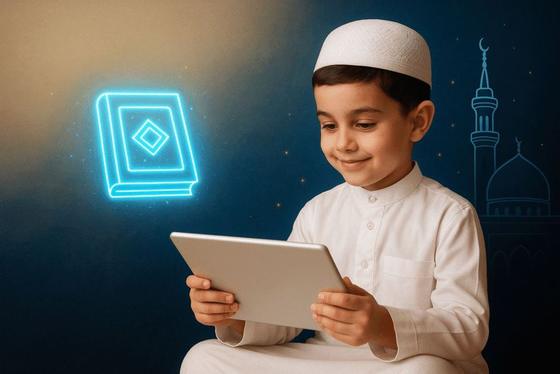
Islamic education has undergone a significant transformation in recent years. As technology continues to reshape the…
Read more →
Access to quality Islamic education has long been a challenge for many Muslim communities around the world. While some…
Read more →Thirty minutes, your student numbers, an honest answer about whether we are a fit. Onboarding, training and data migration are included — there is nothing to sign to find out.