

Every child’s life is full of milestones: first steps, first day of school, first time riding a bike. As parents, we capture these in photos, share them proudly, and celebrate with love. But beyond these worldly milestones, there are faith-centred milestones that shape a child’s identity, values, and connection to Allah Azwajul.
Moments like reciting the first Surah, completing a Juz’, leading a family dua, or fasting the first full day in Ramadan, are spiritual landmarks worth marking with just as much joy as a birthday or graduation.
When children see their faith celebrated at home, it becomes part of their identity. They don’t just “learn Islam” as a subject—they live Islam as a source of pride, joy, and belonging.
In this blog, we’ll explore multiple aspects about celebrating faith-centred milestones at home:
Faith-centred milestones are the moments when a child grows in their spiritual journey—big or small. They may differ for every family, but common examples include:
These milestones are not about competition or checklists. They’re about encouraging the love of Allah, recognizing growth, and strengthening the family’s faith together.
Celebrating faith-centred milestones at home truly matters in this day and age. Why?
Children today are surrounded by birthdays, graduations, and secular milestones celebrated at school, in the media, and within their respective communities. While these are joyful, faith milestones tend to often go unnoticed—unless parents intentionally highlight them.
Celebrating faith-centred milestones helps:
Create a simple certificate or award for milestones like finishing Surah Al-Fatiha or leading prayer. Add the child’s name, date, and achievement.
Why it works: Kids love tangible recognition. Certificates also serve as faith scrapbooks for the future.
Mark the occasion with a favourite meal or dessert. For example: baking a cake decorated with “Ma shaa allah” after a child’s first fast.
Why it works: Food has always been tied to celebration. Linking it with faith makes the joy memorable.
Instead of toys, gift something meaningful: a personalized Qur’an cover, prayer mat, or Islamic storybook.
Why it works: It reinforces the milestone while offering tools for continued growth.
Keep a “Faith Journey Journal” where you record milestones with photos, quotes, or reflections.
Why it works: It becomes a living record of faith growth, treasured by parents and children alike.
Celebrate by planting something that grows—just like their faith. For example: planting a rose bush when a child completes their first Surah.
Why it works: Symbolic and eco-friendly, this gives children a visible reminder of their growth.
Invite grandparents or relatives on Zoom or in person. Have everyone make dua for the child.
Why it works: Children feel loved and supported by the wider family.
Create a board or wall space in the home with milestone notes, drawings, or photos. Update it regularly as achievements grow.
Why it works: Visual reinforcement keeps motivation alive every day.
Celebrate by sharing stories of Prophets, Sahabah, or family elders who embodied similar values. For example: after a child’s first charity, share stories of generosity from Islamic history.
Why it works: Links milestones with role models, embedding lessons deeply.
For milestones like completing Qur’an lessons or fasting, encourage giving back—donating a meal, helping neighbours, or sponsoring a child.
Why it works: Connects personal growth with community responsibility.
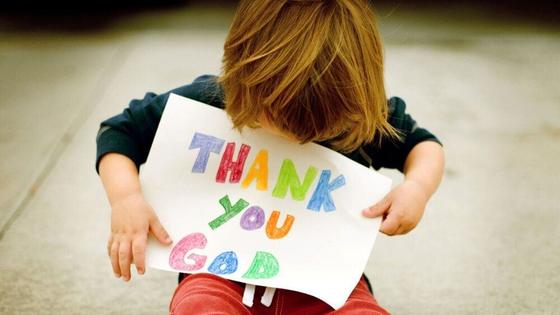
Encourage kids to express their milestone through drawing, poetry, or crafts. Example: drawing a picture of their first Ramadan fast.
Why it works: Makes the moment memorable while tapping into creativity.
While celebrating faith-centred milestones at home are important and can boost your children’s personal as well as religious growth, it’s always good to err on the side of caution and avoid:
Balance joy with humility, say: “We celebrate this because Allah blessed you with strength and guidance.”
Celebrating milestones is one part of a larger goal: creating a home where faith is lived daily. Some ideas include:
Celebrating faith-based milestones at home can have a number of positive long-term impacts in your little ones:
Q: Should milestones always be formal celebrations?
A: No. Even a warm hug, dua, or smile can mark the moment beautifully.
Q: What if my child is slower than others?
A: Celebrate their journey at their pace—progress, not comparison, matters.
Q: How often should we celebrate?
A: As often as a meaningful step occurs. Small acknowledgments keep motivation alive.
Celebrating faith-centred milestones at home transforms ordinary days into extraordinary memories. It tells children: “Your growth in faith matters. Your connection to Allah matters. And we are proud of you.”
By marking these spiritual steps with joy, parents nurture not only a child’s memory but also their heart. Long after the balloons and cakes fade, what remains is the child’s deep-rooted sense of faith, family, and belonging
Published 2 October 2025 in Parenting. Questions? Get in touch.
Open Instagram, step into a shopping mall, or listen to children’s conversations at school, and you’ll notice a common…
Read more →
Every parent wants their child to feel safe, confident, and happy. But for many families, anxiety sneaks into everyday…
Read more →
Family board games are more than rainy-day distractions—they’re mini-classrooms disguised as fun. For parents, games…
Read more →Thirty minutes, your student numbers, an honest answer about whether we are a fit. Onboarding, training and data migration are included — there is nothing to sign to find out.