

Every parent wants their child to feel safe, confident, and happy. But for many families, anxiety sneaks into everyday life—transforming simple routines like school drop-offs, bedtime, or social outings into emotional battles.
Anxiety is not just “shyness” or “a phase.” It’s one of the most common mental health concerns in children, affecting roughly 1 in 8 kids worldwide. In high-pressure environments like the UAE or other fast-paced societies, where academics, technology, and social expectations collide, the numbers may be even higher.
The good news? Children can learn to manage anxiety—with the right support, tools, and understanding. Parents play a crucial role in spotting the signs early, responding calmly, and building resilience.
In this blog, we’ll cover:
Ever wondered how to help an anxious child? Before you do that, it’s important to know the signs of anxiety in children.
Anxiety is the body’s “fight or flight” response in overdrive. It’s natural for kids to feel nervous about a test, a first sleepover, or a new environment. But when worry becomes excessive, persistent, and interferes with daily life, it crosses into anxiety disorder territory.
Common anxiety types in kids include:
It’s normal for children to have fears. The difference lies in intensity and impact.
If fears disrupt routines—school attendance, sleep, friendships—it’s time to take action.
Here are the top red flags parents should watch for:
Headaches, stomach aches, nausea, or muscle tension without medical cause.
Difficulty falling asleep, nightmares, or waking often.
Avoiding school, sudden dips in grades, or frequent calls from the nurse’s office.
Fear of mistakes, extreme frustration with small errors, or erasing work repeatedly.
Refusing playdates, skipping activities, or clinging to parents.
Constantly asking: “Are you sure you’ll pick me up?” “Am I going to be okay?”
Frequent crying, irritability, or meltdowns over minor triggers.
Avoiding eye contact, refusing to speak in groups, or isolating from peers.
Endless worrying: “What if I get lost? What if I mess up?”
Shortness of breath, racing heart, sweating, dizziness during stressful moments.
Here are evidence-based, parent-friendly strategies for supporting anxious children.
Sometimes kids don’t need instant solutions—they need validation.
Say: “I can see this is really hard for you. I’m here.”
Practice “belly breathing” together: inhale for 4, hold for 2, exhale for 6. Great before school, bedtime, or tests.
Reassure them: “Lots of kids feel nervous. It doesn’t mean you’re weak—it means your body is trying to protect you.”
Help kids tackle overwhelming tasks step by step. Small wins build confidence.
Practice what to say in social situations, from asking to join a game to giving a presentation.
Morning and bedtime routines give children a sense of control.
Avoiding fears makes anxiety worse long-term. Gently encourage exposure in safe steps.
Set aside 10 minutes a day to talk about worries. Outside that time, gently remind: “We’ll save that for worry time.”
Physical activity reduces anxiety. Family walks, bike rides, or sports are natural relievers.
Limit exposure to distressing news, violent games, or endless scrolling.
Kids mirror parents. If you stay calm in traffic or during stress, they’ll learn to regulate emotions.
Encourage nightly gratitude lists, duas, or prayer. Spiritual grounding helps children feel safe and guided.
If your child’s anxiety is:
… it’s time to consult:
Treatment may include:
Anxiety doesn’t disappear overnight, but children can learn to manage it effectively with:
The long-term goal isn’t to eliminate all anxiety—it’s to raise resilient, resourceful children who know how to handle stress.
Q: Is anxiety just a phase?
A: Normal fears are phases, but if worry disrupts daily life, it’s more than a phase.
Q: Should I remove all stress from my child’s life?
A: No. Kids need to face challenges in safe steps to build resilience.
Q: Can faith and prayer help?
A: Absolutely. Faith practices, gratitude, and routines provide calm and security.
Anxiety in children is real, but so is hope. By watching for signs, responding with empathy, and teaching coping skills, parents can transform anxiety from a roadblock into a stepping stone.
With both personal and professional support, children not only manage anxiety—they grow stronger, more self-aware, and more capable of navigating life’s challenges.
Published 1 October 2025 in Parenting. Questions? Get in touch.

Family board games are more than rainy-day distractions—they’re mini-classrooms disguised as fun. For parents, games…
Read more →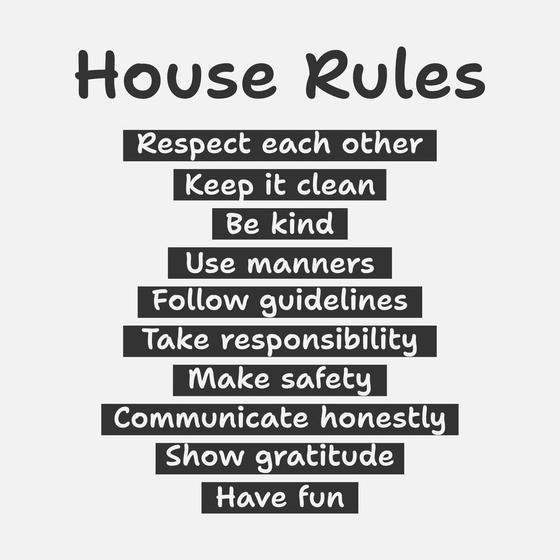
Every family needs an agreed-upon set of rules to keep their humble abode running smoothly, household rules that…
Read more →
Open Instagram, step into a shopping mall, or listen to children’s conversations at school, and you’ll notice a common…
Read more →Thirty minutes, your student numbers, an honest answer about whether we are a fit. Onboarding, training and data migration are included — there is nothing to sign to find out.