

Parenting is more than raising well-mannered children—it is about raising future believers who love Allah, value kindness, and live with responsibility. One of the best ways to nurture these qualities is to teach children daily good deeds they can practice at home.
The Prophet Muhammad ﷺ said:
“The most beloved of deeds to Allah are those that are consistent, even if small.” (Bukhari, Muslim)
This hadith is a powerful reminder that raising children isn’t about perfection—it’s about consistency in small, good actions. These daily habits become seeds of iman, shaping a child’s heart, character, and outlook.
This blog explores 10 good deeds kids can practice at home each day—simple, doable, and deeply impactful. Each deed includes the timeless wisdom afforded by the Qur’an and Sunnah, practical tips for parents, and ways to make it engaging for children.
Why it matters: Teaching kids to begin with Bismillah and end with Alhamdulillah anchors every action in gratitude and remembrance of Allah.
Parental Tip: Correct gently if they forget. Praise them warmly when they remember.
Benefit: Builds mindfulness and connects kids’ daily actions to Allah.
Why it matters: Helping parents is a Sunnah. The Prophet ﷺ himself assisted in household chores.
Parental Tip: Turn chores into teamwork—sing nasheeds while cleaning.
Benefit: Builds responsibility, humility, and respect for parents.
Why it matters: The Prophet ﷺ encouraged spreading salaam as a way of love and unity.
“You will not enter Paradise until you believe, and you will not believe until you love one another. Shall I tell you something which, if you do, you will love one another? Spread salaam amongst yourselves.” (Muslim)
Parental Tip: Make it fun—greet each other dramatically to encourage kids.
Benefit: Builds love, connection, and sunnah habits at home.
Why it matters: Dua is a sign of love and builds empathy.
Parental Tip: At bedtime, ask: “Who should we make dua for tonight?”
Benefit: Strengthens love, faith, and awareness of Allah’s mercy.
Why it matters: The Prophet ﷺ emphasized mercy to the young and respect for elders.
Parental Tip: Praise teamwork. Avoid favouritism—celebrate when they help each other.
Benefit: Builds empathy, responsibility, and family unity.
Why it matters: Cleanliness is half of faith (hadith). Children who learn cleanliness grow into disciplined adults.
Parental Tip: Use a star chart for younger kids—reward consistency.
Benefit: Instills discipline, hygiene, and Islamic values of purity.
Why it matters: The Qur’an brings barakah (blessings) into the home.
Parental Tip: Recite together for bonding—parents model the habit.
Benefit: Connects kids’ hearts to Allah’s words from an early age.
Why it matters: Gratitude (shukr) is a powerful act of worship.
Parental Tip: Model gratitude yourself—thank your kids often.
Benefit: Builds humility, happiness, and contentment.
Why it matters: Smiling is charity. The Prophet ﷺ said: “Your smile for your brother is charity.” (Tirmidhi)
Parental Tip: Create a “kindness jar”—every good deed gets a note inside. Review weekly.
Benefit: Creates a joyful, loving home environment.
Why it matters: Salah is the pillar of deen. Praying together builds love and unity.
Parental Tip: Make it a special family ritual—end with dua for each other.
Benefit: Kids learn that deen is central to family life.
Here’s a sample from “good deeds kids can practice at home” each day:
While the above are great examples of good deeds kids can practice at home as part of their daily routine, some parents might run into challenges while inspiring and encouraging their kids to engage in those deeds:
“My child resists chores.”
“They forget duas or adhkar.”
“Siblings fight often.”
“We’re too busy for family rituals.”
FAQs on Good Deeds Kids can Practice at Home
Q: At what age should I start teaching good deeds?
A: As early as possible—toddlers can say salaam, put toys away, and say Bismillah.
Q: How do I make deeds exciting for teens?
A: Give them responsibility—leading salah, helping siblings, or organizing charity at home.
Q: Should I reward every good deed?
A: Praise and acknowledgment are enough. Occasional treats encourage consistency.
Raising children who practice daily good deeds is not about grand actions—it’s about small, consistent habits rooted in love for Allah and family.
By encouraging children to say Bismillah, greet with salaam, pray with family, help with chores, and show kindness, parents nurture both iman and character. These daily practices build a home full of barakah and prepare children to live as strong Muslims in the dunya and successful believers in the akhirah.
“Good deeds are seeds—plant them early, water them daily, and watch your child’s heart grow in faith and goodness.”
Published 8 October 2025 in Parenting. Questions? Get in touch.

Every parent has witnessed it: a child’s outburst when they don’t get their way. Anger is a normal human emotion, but…
Read more →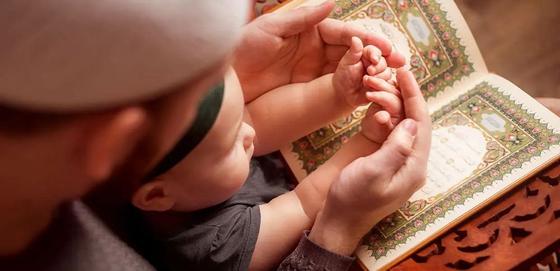
Raising children in today’s fast-paced, digital world is both rewarding and challenging. Parents often focus on…
Read more →
Every parent wants the best for their children. We strive to provide good education, health, and comfort. But in the…
Read more →Thirty minutes, your student numbers, an honest answer about whether we are a fit. Onboarding, training and data migration are included — there is nothing to sign to find out.