

In a world that’s changing faster than ever, the need for Islamic education for children is not just important—it’s essential. As digital influences grow stronger and values shift in modern society, Muslim families face increasing challenges in raising children who are connected to their faith, identity, and moral compass.
At Sidr Productions, we believe that Islamic education must evolve to stay engaging, authentic, and relevant for today’s youth.
In this article, we explore why Islamic education matters now more than ever in 2025, and how families and educators can nurture children who are confident in their Deen.
Islamic education isn’t limited to memorising duas or learning the Arabic alphabet (though those are important). True Islamic education aims to:
It’s about building a strong spiritual identity—from daily duas to understanding the purpose of life in an age-appropriate way.
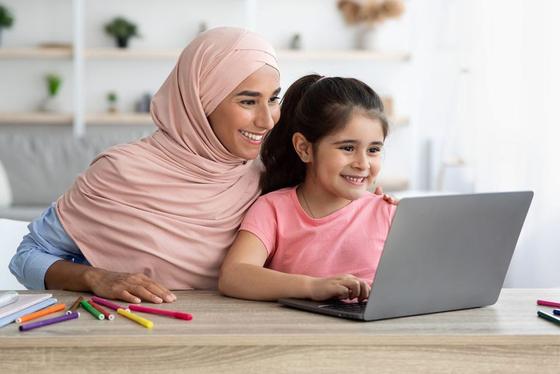
Today’s kids are growing up in a digital-first world where:
Without strong spiritual grounding, many children begin to drift from Islamic values as early as age 7–9.
Globally, Muslim children may face:
Islamic education gives them the confidence to be proud of who they are and represent Islam with knowledge, kindness, and strength.
In many mainstream schools, values like modesty, marriage, and gender identity are taught in ways that may contradict Islamic beliefs. Children need a clear framework that helps them distinguish between what society says and what Islam teaches—with love, wisdom, and guidance.
Why Islamic Education Matters Now More Than Ever
Builds a Strong Moral Foundation
Islam teaches children to be:
These values are timeless—but must be taught consistently in both words and action.
Quranic education + Islamic stories help reinforce moral lessons in a way children understand.
Connects Kids to Allah at a Young Age
When children learn to say ‘Bismillah’, to thank Allah for their food, or to make dua before sleeping, for example, it creates a deep emotional connection with their Creator. That connection becomes a source of strength in later years.
“The best gift a parent can give their child is the knowledge of who Allah is.”
Protects Against Negative Influences
Kids with strong Islamic knowledge and identity are more likely to:
Islamic education acts as a spiritual filter, helping children navigate life without losing their way.
Develops Emotional & Spiritual Intelligence
Learning about the life of the Prophet Muhammad ﷺ teaches:
These stories shape not only behaviour but emotional resilience—a vital skill in 2025’s high-pressure world.
Creates Confident Muslim Leaders
Our Ummah needs the next generation to be leaders, not followers. Islamic education empowers children to:
When children know why they pray, fast, give, and speak the truth—they carry Islam with pride.
Making Islamic Education Engaging in 2025
It’s not enough to hand children a textbook or enroll them in a weekend madrassah. Islamic education must now be:
That’s why Sidr Productions creates digital tools, videos, apps, and stories that bring Islam to Life for kids. From the “My Quran Journey” app to animated stories like “What the Prophet Taught Me”, our goal is to teach Islam in a way children remember—and love.
Tools to Help Parents & Educators
Here are a few practical tools and tips to support your child’s Islamic education:
Daily Practice Charts
Encourage kids to tick off daily duas, prayer, and good deeds.
Islamic Apps & Games
Use screen time wisely with engaging apps that teach Quran, Hadith, and akhlaq.
Storytime with Islamic Books
Choose bedtime stories that teach faith through adventure and characters they love.
Short Islamic Animations
Use platforms like YouTube Kids or Sidr’s own channel for quick, meaningful lessons.
It’s a Family Journey
Islamic education isn’t just for the child—it’s for the whole household. When parents model good behaviour, pray together, and talk about Islamic values openly, it becomes a part of daily life—not just a subject.
The Prophet ﷺ said:
“Each of you is a shepherd, and each of you is responsible for his flock.” (Bukhari & Muslim)
We must be the first teachers of our children—in love, in action, and in faith.
Final Thoughts
In 2025, our children are surrounded by more distractions than ever. But with the right tools, resources, and support, we can raise a generation that loves Allah, follows the Sunnah, and proudly carries the banner of Islam.
Islamic education is not optional—it is our responsibility and their right.
Explore Faith-Based Learning Tools at Sidr Productions
At Sidr Productions, we are building a future where Islamic education is creative, powerful, and child-friendly. From apps and books to games and videos, our content is designed to grow young hearts with the light of Islam.
👉 Visit Sidr.Productions to explore our latest tools and programs.
🎮 Download our faith-based learning apps
📚 Subscribe to our YouTube series
📩 Join our mailing list for Islamic parenting tips and free resources
Published 17 June 2025 in Qur’an & learning. Questions? Get in touch.
Digital vs traditional learning for Islamic education has been quite the debate as of late, although it shouldn’t come…
Read more →
Teaching children about Islam and the Qur’an is a beautiful responsibility, but it doesn’t always come with quiet…
Read more →
In an age where screens dominate learning, Quranic memorization—or tahfidz—remains a timeless practice with profound…
Read more →Thirty minutes, your student numbers, an honest answer about whether we are a fit. Onboarding, training and data migration are included — there is nothing to sign to find out.