

Helping children develop a strong connection with the Quran is one of the most valuable gifts a parent or educator can offer. The Quran is not only a book to be read, but a guide for life, a source of comfort, and a means of spiritual growth. However, building this connection in children requires more than occasional instruction. It is nurtured through consistent habits, positive experiences, and a loving environment that encourages curiosity and reflection.
Children thrive on routine and repetition, and when small, meaningful habits are introduced early, they can shape a lifelong relationship with the Quran. In this article, we explore simple, practical habits that can help children build a strong connection with the Quran, and in a very natural and engaging way.
Consistency is key when it comes to building any habit, especially for children. Setting aside a specific time each day for Quran reading or listening helps establish a sense of routine and importance.
This does not need to be lengthy. Even ten to fifteen minutes a day can make a significant difference. The focus should be on regularity rather than quantity. For younger children, shorter sessions with engaging elements are more effective than long, demanding ones.
Choose a time when children are most alert and receptive. For some families, this may be after Fajr, while for others it might be after school or before bedtime. The goal is to make Quran time a natural and expected part of the day.
The environment in which children engage with the Quran plays a crucial role in shaping their perception of it. A calm, welcoming space can make Quran time feel special and comforting.
Create a dedicated area in the home where children can sit comfortably. This could include a soft mat, cushions, and a shelf for their Quran. Keeping the space tidy and inviting helps children associate the Quran with peace and positivity.
Avoid turning Quran time into a stressful or pressured activity. Gentle encouragement works far better than strict enforcement. When children feel relaxed, they are more open to learning and connecting.
Children are highly influenced by what they observe. When they see parents and caregivers reading the Quran regularly and with sincerity, they are more likely to develop an interest themselves.
Let children witness moments of personal reflection, recitation, or listening. Even simple acts, such as picking up the Quran during quiet moments, send a powerful message about its importance.
Sharing your own thoughts or feelings about a verse in simple language can also help children build a strong connection with the Quran and really inspire children. For example, mentioning how a particular verse brings comfort or guidance can help them see the Quran as relevant to daily life.
For many children, especially younger ones, listening can be just as impactful as reading. Beautiful recitation can capture their attention and create an emotional connection with the Quran.
Play recitations at home during calm moments, such as before bedtime or during quiet play. Choose reciters with clear and soothing voices to make the experience enjoyable.
Encourage children to follow along, even if they are not yet able to read fluently. Over time, they will begin to recognise familiar words and rhythms, strengthening their connection.
While learning to recite the Quran is important, understanding its meaning is essential for building a deeper connection.
Introduce simple explanations of verses in language that children can understand. Focus on key messages such as kindness, gratitude, patience, and trust in Allah.
You might take one short verse and discuss it together. Ask questions like, “What do you think this means?” or “How can we practise this in our lives?” This encourages reflection and makes the Quran more meaningful.
Children naturally connect with stories, and many Quranic verses relate to powerful narratives.
Share stories of the prophets and other figures mentioned in the Quran in an engaging and age-appropriate way. Emphasise the lessons within these stories, such as honesty, courage, and reliance on Allah.
Relating these stories to everyday situations can help children see how Quranic teachings apply to their own lives. This makes the Quran feel relevant and alive rather than distant or abstract.
Memorisation can be a rewarding way for children to connect with the Quran, but it should be approached gently and realistically.
Set small, achievable goals, such as memorising a short surah or a few verses at a time. Celebrate progress to keep children motivated.
Repetition is important, but it should be balanced with understanding. Encourage children to know what they are memorising, even if only at a basic level.
Using creative methods such as repetition through songs or actions can make memorisation more enjoyable for younger children.
Children learn best when they are actively involved.
Use interactive methods such as asking questions, playing simple games, or using visual aids. For example, you could create flashcards with key words or themes from the Quran.
Another idea is to have a “verse of the week” that the whole family focuses on. Discuss it, reflect on it, and try to apply it in daily life.
Encouraging children to share what they have learned with others can also reinforce their understanding and build confidence.
One of the most effective ways to help children build a strong connection with the Quran is to show them how the Book of Allah relates to their everyday behaviour.
When a child shows kindness, you might say, “This is something the Quran teaches us”. When they are patient, you can remind them that patience is praised in the Quran.
These small connections help children see the Quran as a guide for how to live, rather than just a book to read.
Positive reinforcement plays an important role in building motivation.
Celebrate milestones, no matter how small. This could be memorising a new verse, improving recitation, or showing understanding of a concept.
Rewards do not need to be material. Praise, encouragement, and recognition can be just as effective. The aim is to make children feel proud of their efforts and eager to continue.
Every child learns at their own pace, and it is important to approach Quran learning with patience.
Avoid comparing children to others or setting unrealistic expectations. Instead, focus on their individual progress and encourage them gently.
If a child shows resistance or lack of interest, try to understand the reason. It may be helpful to adjust the approach, make activities more engaging, or simply give them some time.
Building a positive relationship with the Quran is far more important than rushing through learning.
Children are naturally curious, and their questions can lead to meaningful learning.
Create an environment where they feel comfortable asking questions about the Quran. Answer in a way that is honest and appropriate for their age.
If you do not know the answer, it can be an opportunity to explore together. This shows that learning is a continuous journey and that the Quran is a source of discovery.
Technology can be a helpful tool when used thoughtfully.
There are many apps and online resources designed to teach Quran recitation, memorisation, and understanding in engaging ways. Look for content that is interactive and age-appropriate.
Audio and visual tools can complement traditional learning, especially for children who respond well to digital formats.
However, it is important to balance screen time with personal interaction and hands-on learning.
Spiritual development is not only about effort but also about seeking help from Allah.
Make dua regularly that your children develop a love for the Quran and a strong connection with it. Encourage children to make their own simple duas as well.
This reinforces the idea that their relationship with the Quran is part of their relationship with Allah.
When the Quran becomes a natural part of family life, children are more likely to embrace it.
This could include reading together, discussing verses, or simply having the Quran present and respected in the home.
Special moments, such as Ramadan, can be used to deepen this connection. Increase engagement with the Quran during these times in a way that involves the whole family.
When children see that the Quran is valued and loved by those around them, they are more likely to develop that same attachment.
Building a strong connection between children and the Quran is a gradual and deeply personal journey. It is shaped by daily habits, positive experiences, and the environment in which children grow.
By introducing simple, consistent practices such as regular reading, listening, understanding, and reflection, parents and educators can help children develop a meaningful relationship with the Quran.
The goal is not perfection, but connection. When children feel comfort, guidance, and inspiration from the Quran, they carry it with them throughout their lives.
With patience, creativity, and sincerity, these small habits can grow into a lifelong bond that nurtures faith, character, and a sense of purpose.
Published 10 April 2026 in Qur’an & learning. Questions? Get in touch.

Developing a love for Quran recitation in children is one of the most valuable gifts parents and educators can give.…
Read more →
Teaching children about Allah is one of the most important aspects of Islamic education. Understanding who Allah is…
Read more →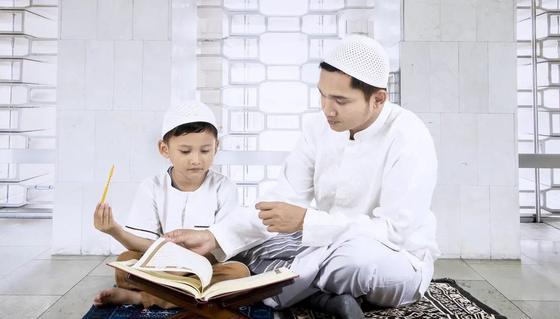
The Quran is not just a book, it is the foundation of faith, guidance, and spiritual development in a Muslim’s life.…
Read more →Thirty minutes, your student numbers, an honest answer about whether we are a fit. Onboarding, training and data migration are included — there is nothing to sign to find out.