

Technology has transformed education across the world, reshaping how students learn, interact, and engage with knowledge. In 2026, digital tools are no longer optional additions to classrooms; they are central components of modern teaching. Islamic studies education is also evolving, with teachers increasingly using technology to enhance learning experiences, improve accessibility, and connect with students in more meaningful ways.
For Islamic educators, however, integrating technology involves more than simply adopting new tools. It requires careful consideration of how digital resources align with Islamic values, educational objectives, and the spiritual purpose of learning. The challenge is to create a balanced approach where technology enhances understanding and engagement without overshadowing the personal, reflective, and ethical dimensions of Islamic education.
This article explores how teachers can effectively integrate technology into Islamic studies, highlighting best practices, practical strategies, and key considerations for creating impactful and meaningful learning experiences.
Students today are growing up in a highly digital world. Their daily experiences are shaped by smartphones, online platforms, multimedia content, and interactive technologies. As a result, their learning expectations have changed significantly.
Traditional teaching methods still hold great value, especially in Islamic education where direct teacher-student relationships and mentorship are central. However, relying solely on conventional approaches may make it difficult to maintain student engagement in modern learning environments.
Technology provides opportunities to:
When used effectively, technology can strengthen the connection between students and Islamic studies by making lessons more relevant and engaging.
Before we can integrate technology into Islamic studies or any kind of digital tool, for that matter, teachers must first define their objectives.
Technology should always support learning goals rather than become the focus itself. In Islamic studies, educational objectives often include:
By identifying these goals clearly, teachers can choose technology that enhances learning rather than distracts from it.
For example, if the goal is to improve Quran memorisation, a digital repetition tool may be appropriate. If the objective is to encourage critical thinking, interactive discussion platforms may be more effective.
One of the most important principles in Islamic education is maintaining a balance between innovation and tradition.
Traditional methods such as direct instruction, discussion, and memorisation remain essential. Technology should complement these methods, not replace them entirely.
For instance:
A balanced approach ensures that students benefit from modern tools while preserving the depth and authenticity of traditional Islamic learning.
Selecting appropriate technology is essential for effective integration.
Teachers should prioritise tools that are:
Useful tools for Islamic studies may include:
Teachers should avoid overcomplicating the learning environment by introducing too many platforms at once. Simplicity and consistency often lead to better outcomes.
When we learn to integrate technology into Islamic studies, we can effectively enhance Quran learning when used appropriately.
Digital tools can support students by providing:
For example, students can listen to verses repeatedly at home, compare their recitation with expert reciters, and track their progress over time.
Interactive Quran applications also allow students to practise independently while receiving immediate feedback.
However, teachers remain essential in ensuring proper pronunciation, understanding, and spiritual connection. Technology should assist the teacher, not replace their guidance.
Multimedia content can transform how Islamic studies are taught.
Visual and audio elements help students understand concepts more effectively and maintain interest throughout lessons.
Teachers can use:
For example, a lesson on the migration to Madinah can include maps, timelines, and narrated visuals to bring the event to life.
Multimedia helps cater to different learning styles and makes lessons more memorable.
Technology creates opportunities for students to become active participants in their learning.
Interactive activities may include:
These methods encourage students to engage with the material rather than passively receive information.
For example, students could work together on a digital presentation about Islamic contributions to science or participate in discussions about ethical issues from an Islamic perspective.
Collaboration also helps develop communication and teamwork skills.
Every student learns differently. Some may progress quickly, while others need additional support and repetition.
Technology allows teachers to personalise learning by:
Personalisation helps students learn at their own pace and reduces frustration.
It also creates a more inclusive environment where all learners feel supported.
Arabic is an important component of Islamic studies, and technology can greatly improve how it is taught.
Digital tools can support:
Gamified language apps make learning Arabic more enjoyable and engaging, particularly for younger students.
By combining traditional instruction with interactive digital practice, teachers can help students develop stronger language skills more effectively.
Islamic studies should encourage students to think deeply and apply Islamic principles to their lives.
Technology can support critical thinking through:
For example, students could explore ethical dilemmas and discuss how Islamic teachings apply to modern situations.
Reflection activities can also be enhanced through digital journals, discussion boards, or guided prompts.
This approach moves beyond memorisation and encourages meaningful understanding.
One concern when we talk about how to integrate technology into Islamic studies is the risk of losing spiritual focus.
Teachers must ensure that digital tools support spiritual growth rather than turning lessons into purely academic exercises.
This can be achieved by:
Technology should enhance learning while preserving the spiritual atmosphere of Islamic education.
For example, a multimedia lesson on gratitude can conclude with reflective activities encouraging students to identify blessings in their own lives.
While technology offers many benefits, excessive screen time can affect concentration, health, and wellbeing.
Teachers should maintain balance by combining digital activities with offline learning experiences.
This may include:
Students should also be encouraged to take breaks and use devices responsibly.
Balanced integration ensures that technology remains a tool rather than becoming a distraction or dependency.
Technology integration also provides an opportunity to teach digital responsibility.
Students should learn how Islamic values apply to online behaviour, including:
Teachers can connect digital ethics to Islamic teachings, helping students understand how faith guides their online interactions.
This approach ensures that students develop both digital literacy and moral awareness.
Technology makes communication between teachers and parents easier and more effective.
Teachers can:
Parental involvement strengthens the educational experience and helps reinforce Islamic teachings outside the classroom.
For younger learners, this support is especially important for consistency and motivation.
Effective technology integration requires confident and skilled teachers.
Schools and institutions should provide ongoing training in:
Professional development helps teachers stay updated with new methods and improves the quality of instruction.
Collaboration among teachers is also valuable, allowing educators to share ideas and best practices.
Teachers should regularly assess whether technology is improving learning outcomes.
This evaluation may include:
Not every digital tool will work equally well for every class or subject.
Continuous evaluation allows teachers to refine their approach and focus on methods that genuinely benefit students.
The role of technology in Islamic education is likely to continue growing in the coming years.
Emerging innovations such as artificial intelligence, augmented reality, and immersive learning experiences may further enhance engagement and accessibility.
For example:
However, the core principles of Islamic education must remain central.
Technology should always serve the purpose of strengthening knowledge, character, and spiritual connection.
When we integrate technology into Islamic studies, we create significant opportunities for enhancing engagement, accessibility, and understanding.
When used thoughtfully, digital tools can enrich traditional teaching methods, support diverse learning styles, and help students connect more deeply with Islamic knowledge.
However, successful integration requires balance, careful planning, and a clear sense of purpose.
Teachers must ensure that technology supports rather than overshadows the spiritual and ethical foundations of Islamic education.
By combining innovation with authenticity, educators can create meaningful learning experiences that prepare students for both the digital world and their spiritual journey.
Published 6 May 2026 in Learning technology. Questions? Get in touch.

The world of education is evolving at an unprecedented pace, driven by rapid technological advancement and changing…
Read more →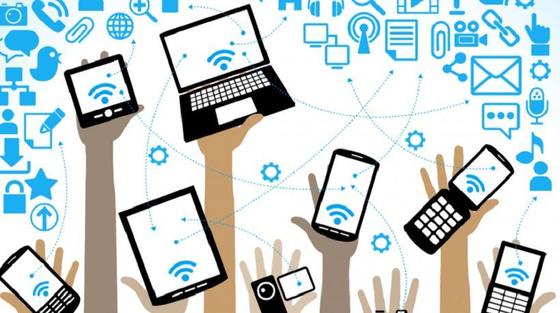
Education is evolving faster than most parents could have ever anticipated. Many adults grew up in systems that looked…
Read more →
Many parents deeply value Quran education but feel unsure about how to support it effectively at home. Questions such…
Read more →Thirty minutes, your student numbers, an honest answer about whether we are a fit. Onboarding, training and data migration are included — there is nothing to sign to find out.