Teaching children about Islam doesn’t have to be limited to traditional classroom settings or formal lessons. In fact, integrating Islamic teachings into everyday life can make learning more engaging, meaningful, and enjoyable for kids. By using creative, fun, and interactive methods, parents and guardians can instill a strong foundation of Islamic values and knowledge in their children right from the comfort of home. Here are ten exciting ways to make Islamic education an enriching and delightful experience for your children.
1. Storytelling: Bring Islamic Stories to Life
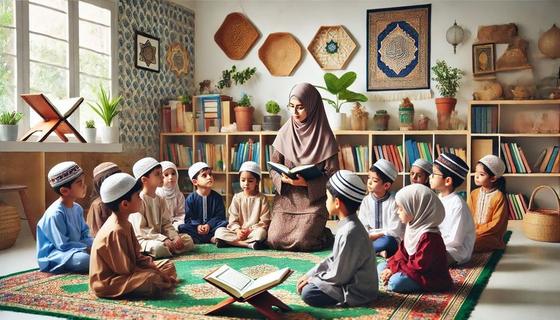
Children love stories, and the rich history of Islam is filled with captivating tales that teach valuable lessons. Stories of the Prophets, companions, and significant events in Islamic history are perfect for sparking curiosity and imparting moral values.
Use Interactive Storytelling: Don’t just read stories—bring them to life with expressive voices, hand gestures, and props. This will make the stories more engaging and memorable.
Incorporate Visual Aids: Use illustrated books, videos, or even simple drawings to help your child visualize the stories.
Relate Stories to Everyday Life: Highlight the lessons from each story and show how they apply to your child’s daily experiences, like being honest, sharing with friends, or showing kindness.
Storytelling Nights: Dedicate a weekly family storytelling night where each member shares an Islamic story. This builds anticipation and excitement around learning.
2. Arts and Crafts with an Islamic Twist
Creative activities like arts and crafts are fantastic ways to reinforce Islamic teachings while letting kids express themselves.
Islamic Calligraphy: Introduce your children to Arabic calligraphy by helping them write simple words like ‘Bismillah,’ ‘Alhamdulillah,’ or their names in Arabic. Use colorful markers, paints, or even glitter to make it fun.
DIY Ramadan Decorations: Create lanterns, crescent moons, and stars to decorate the house during Ramadan. Involve kids in making Eid cards for friends and family.
Prophet’s Family Tree: Make a family tree of the Prophets with colorful drawings and brief descriptions of each Prophet’s story.
Islamic Themed Coloring Books: Use coloring books that feature mosques, Islamic symbols, or Quranic verses to combine fun with learning.
3. Cooking and Baking Islamic Recipes
Cooking is an excellent way to teach children about different cultures and traditions within the Islamic world. It also provides opportunities to discuss gratitude, sharing, and the blessings of food.
Cook Together: Choose traditional dishes from different Muslim countries and cook them together. For example, try making Moroccan tagine, Turkish baklava, or Pakistani biryani.
Discuss Sunnah Foods: Teach kids about the Prophet Muhammad’s (PBUH) favorite foods like dates, honey, and olives. Prepare simple snacks using these ingredients and discuss their significance.
Host a Mini Iftar: Have your child help prepare a small iftar meal during Ramadan, and involve them in setting the table and making dua before eating.
Bake Eid Treats: Involve your children in baking cookies or sweets for Eid. Let them decorate the treats with Islamic symbols or messages.
4. Play Educational Games and Activities
Games are a fun and effective way to reinforce learning while keeping children entertained.
Islamic Quiz Night: Organize a family quiz night with questions about Islamic history, the Prophets, or basic Islamic knowledge. Offer small prizes to make it exciting.
Memory Matching Games: Create flashcards with Arabic letters, Islamic symbols, or names of the Prophets. Use them for matching games to improve memory and recognition.
Treasure Hunt with an Islamic Twist: Set up a treasure hunt where each clue involves answering an Islamic question or finding an item related to Islam, like a prayer mat or a Quran.
Islamic Board Games and Apps: Explore board games or digital apps designed to teach children about Islam in a fun and interactive way.
5. Create a Prayer and Worship Routine
Introducing children to daily prayers and acts of worship helps instill a sense of discipline and connection to their faith.
Prayer Corner: Set up a dedicated space in your home for prayer. Let your child help decorate it with prayer mats, Islamic art, and their own crafts.
Teach Through Imitation: Encourage your child to join you during Salah (prayer). Children often learn best by observing and imitating.
Use Visual Aids: Use colorful prayer charts to track their daily prayers, and reward consistency with small incentives.
Simplify Duas: Teach short, simple duas for daily activities, like before eating, sleeping, or leaving the house. Use songs or rhymes to help with memorization.
6. Incorporate Technology and Digital Resources
Today’s children are digital natives, and using technology can be an effective way to engage them in Islamic learning.
Educational Apps: Use apps that teach Quranic Arabic, Islamic stories, or daily duas. Make sure the content is age-appropriate and interactive.
YouTube Channels: Find trusted YouTube channels that offer animated stories of the Prophets, Islamic songs, or educational videos about Islamic history and culture.
Virtual Museum Tours: Explore virtual tours of famous Islamic landmarks, such as the Alhambra in Spain or the Blue Mosque in Turkey, to teach children about Islamic architecture and history.
Interactive E-Books: Use e-books with interactive features that engage children through sounds, animations, and quizzes.
7. Celebrate Islamic Holidays with Enthusiasm
Make Islamic holidays like Ramadan and Eid special and memorable for your children. These celebrations can be excellent opportunities for learning and bonding.
Countdown to Ramadan: Use a countdown calendar with daily activities, like learning a new dua or completing a good deed.
Eid Party at Home: Organize a family Eid party with games, decorations, and special treats. Let your child participate in planning and decorating.
Gift Islamic Books and Toys: Give gifts that encourage Islamic learning, like storybooks about the Prophets or puzzles featuring mosques and Islamic symbols.
Charity and Giving: Involve your children in charitable activities during Ramadan and Eid, like preparing care packages for those in need or donating toys to less fortunate kids.
8. Nature Walks and Reflection
Connecting children with nature can be a powerful way to teach them about Allah’s creation and the importance of gratitude and stewardship.
Reflect on Creation: During nature walks, talk about how the beauty of the natural world is a sign of Allah’s greatness. Discuss verses from the Quran that mention nature, like the creation of the heavens and the earth.
Collect Natural Treasures: Collect leaves, flowers, or stones and create a “Creation Box” that reminds your child of Allah’s creations.
Environmental Responsibility: Teach children about the Islamic principle of protecting the environment by recycling, conserving water, and being kind to animals.
Outdoor Prayers: Pray outside together during a picnic or a trip to the park. This helps children see that worship isn’t limited to indoors.
9. Read and Memorize the Quran Together
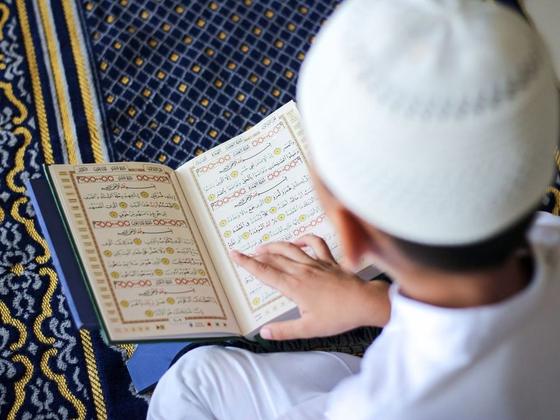
The Quran is at the heart of Islamic education, and introducing it in a gentle, consistent way can create a lifelong connection.
Start with Short Surahs: Begin with easy-to-memorize surahs like Al-Fatiha, Al-Ikhlas, and Al-Asr. Use repetition and songs to make memorization easier.
Use Visual Tools: Colorful Quranic charts or apps that highlight verses as they are read can make learning more interactive.
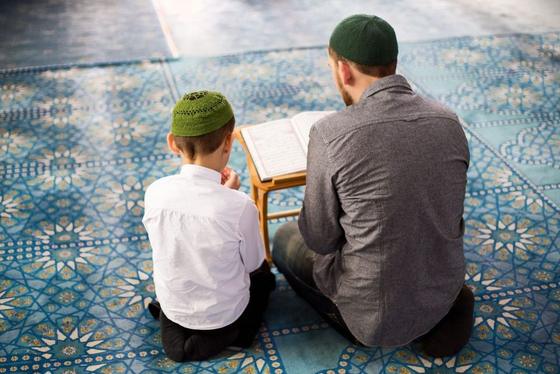
Daily Quran Time: Set aside a specific time each day for reading the Quran together, even if it’s just a few minutes. Consistency is key.
Explain Meanings: Help children understand the meaning of the verses they are memorizing by explaining them in simple language.
10. Encourage Acts of Kindness and Good Deeds
Islam places a strong emphasis on good character and helping others. Encouraging your children to perform good deeds reinforces Islamic values in practical ways.
Good Deeds Jar: Create a jar where your child can write down or draw pictures of good deeds they’ve done each day. Review them together at the end of the week.
Random Acts of Kindness: Encourage spontaneous acts of kindness, like helping a neighbor, sharing toys with friends, or writing thank-you notes.
Family Charity Projects: Get involved in family charity projects, like volunteering at a local shelter or organizing a fundraiser for a cause your child cares about.
Role-Playing Scenarios: Use role-playing games to teach children how to respond to different situations with kindness, honesty, and patience.
Building a Joyful Islamic Learning Environment
Teaching kids about Islam at home doesn’t have to be a chore—it can be a joyful, creative, and bonding experience for the entire family. By integrating fun activities, storytelling, technology, and hands-on learning, you can make Islamic education an exciting part of your child’s daily life. The key is to make learning consistent, engaging, and connected to real-life experiences. As children grow, these early positive interactions with their faith will help build a strong foundation for a lifelong love of Islam.
At Sidr Productions, we are passionate about creating digital content, educational videos, animations, and interactive platforms designed to make learning about Islam fun and engaging for children. Explore our resources to support your child’s Islamic education journey today!
Published 8 June 2024 in
Qur’an & learning. Questions? Get in touch.
Thirty minutes, your student numbers, an honest answer about whether we are a fit.
Onboarding, training and data migration are included — there is nothing to sign to
find out.